 Chiweenie
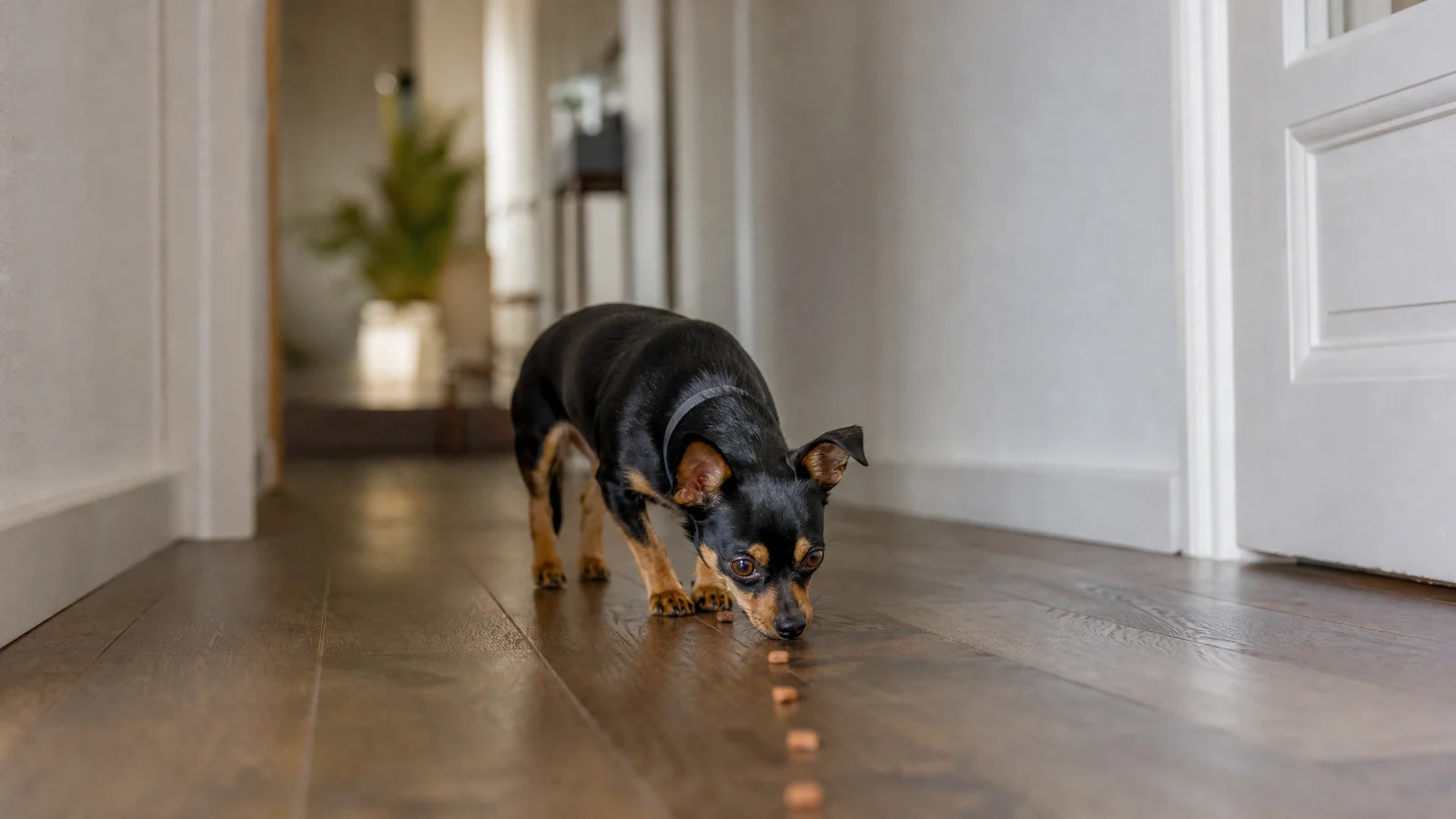
Some Chiweenie owners hide a trail of treats and watch their dog follow it nose down with total focus, deaf to the doorbell. Other owners walk a Chiweenie who ignores every cue because one bush smells better than anything in the treat pouch. Same breed, very different afternoon.
The difference is instinct and how it is handled, not intelligence. Chiweenie behavior and training are our focus, and we see the pattern constantly: left alone, that nose tunes you out, but given a job, it makes your dog work hard and tire out without pounding a long back. Results vary by individual dog.
In this article, we'll go through where that trailing nose comes from, what the Chihuahua side adds, and how scent games, short-line trailing and rally build on each other.
Trailing Roots Behind Chiweenie Dog Sports
Start with the Dachshund's old job, because it explains most of what your Chiweenie does on a walk. The Dachshund breed page describes a good nose, a hunting spirit, a loud tongue and a long, low body suited to below-ground work, with a nose that beats most breeds at trailing. A Chiweenie may inherit all of that, a slice of it, or an odd assortment.
Consider what that selection meant. Nobody wanted an underground worker who looked back every few seconds for permission. The dogs who did best were those whose nose outvoted everything else, including the person on the far end of the leash. Your Chiweenie never got the memo about retiring to a sofa. The small body hides the drive well, right up until a smell locks in and a purse-sized dog becomes a determined little bulldozer.
That nose is the raw material for every sport in this article. Point it somewhere useful, and your dog works hard and tires out gently. Ignore it, and they pick their own projects.
A Nose That Reads the Fine Print
Many owners find their Chiweenie will eat the meat of a hot dog or vienna sausage and spit out the pill hidden inside. Each new pill-hiding food works for a while, until the dog smells or tastes the medicine. Some owners say their Chiweenies seem to detect medication even when nothing is obviously being offered.
Treat that as your design brief. In scent games you are working with a discriminating customer, so keep the rewards honest and change the game before it goes stale. A trick that fools the nose tends to work only for a while, and then you are left with a dog who is smarter than your trick.
Medicine as a Training Task
The same sharp nose makes medicine a training job. Teach calm, rewarded acceptance of handling now, while nothing is wrong: touch paws, sides and mouth, pay a treat, and finish with something fun. If a back issue ever needs treatment, a dog who already takes handling and medicine routines in stride is far easier to help, and regular vet visits keep small problems small.
This is general information, not medical advice. Check with your veterinarian about giving any medication, and follow their instructions for your individual dog.
The Chihuahua Side of Dog Sports Ability
If the Dachshund supplies the nose, the Chihuahua supplies the student. That parent is described as a very alert little dog of high intelligence that is eager to please and responds well to positive training, and the breed can excel in obedience and other canine sports. A Chiweenie may inherit this, which is how a dog who tunes you out at a bush can still heel neatly across the kitchen.
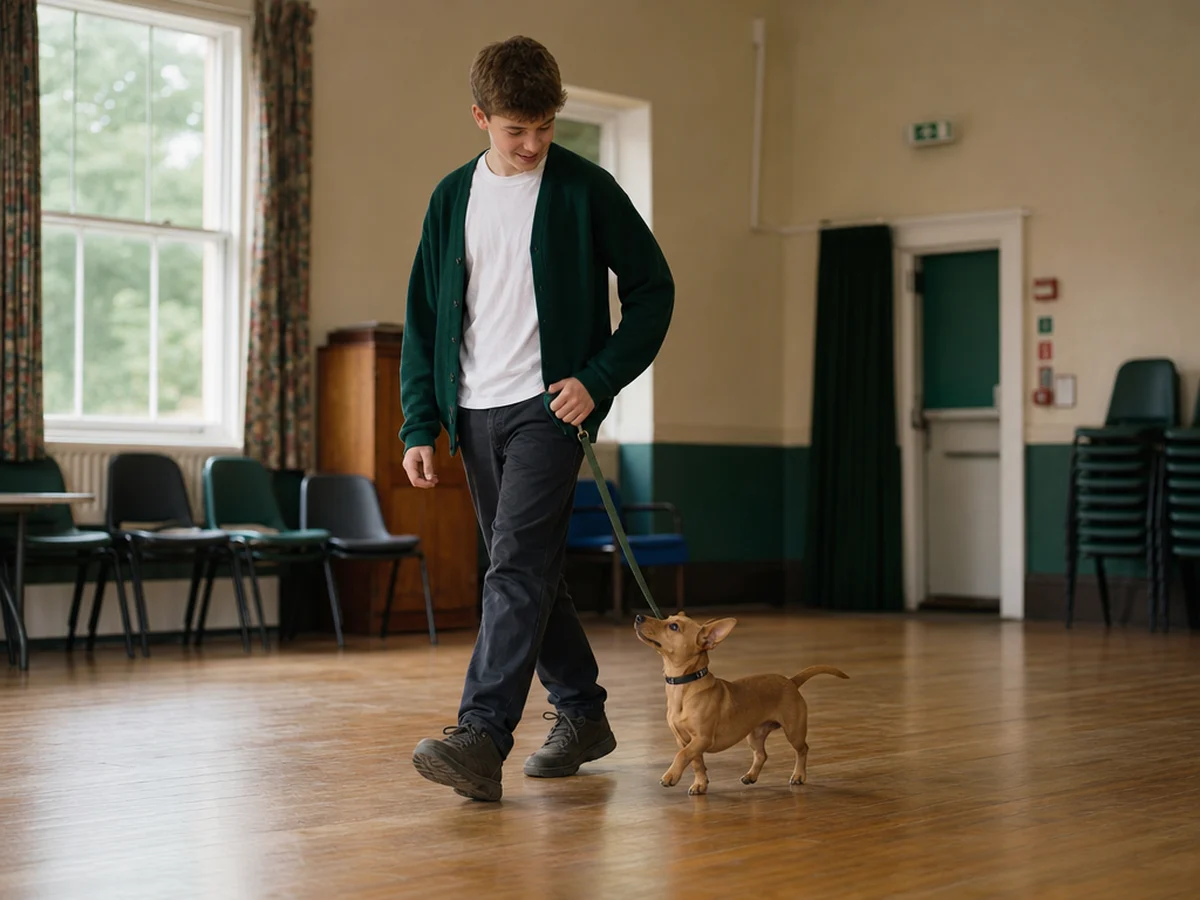
Do not expect a pure people-pleaser, though. The Chihuahua temperament also leans confident and self-reliant, and Dachshunds are called very intelligent but independent and often stubborn. So a Chiweenie may learn a cue in a handful of repetitions and then weigh whether it is worth doing. That is not a lack of brains. That is a dog doing math about your treat pouch.
Intelligence is rarely the bottleneck. Motivation is, and you control that. Size is no excuse either, since even tiny dogs need training, and a clever one left untrained ends up setting the house rules.
Reward-based training is the practical choice as well as the kind one. Pay your dog with something they love, whether a treat, a toy or happy praise, right after the behavior you want, and you will see that behavior more often.
Dachshunds are described as sensitive, and a relaxed dog learns better anyway. A study of companion dogs compared schools and reported that pets trained with rewards displayed fewer signs of stress, and their cortisol rose by smaller amounts after sessions.
Why a Smell Beats Your Voice in Dog Sports
Outdoors, your cue competes with a nose that has strong opinions and a long record of paying out. Dachshunds were developed as independent workers who kept going on a scent line without checking in, and a Chiweenie may inherit that wiring along with some bravery that borders on rashness and a streak of stubbornness.
A dog who walks past your sit to read a fence post is not being spiteful. They are doing what their ancestors were selected to do, and repeating the cue louder just adds noise.
The fix is economics. The smell pays all day, so your reward has to pay better, and the smell itself can be part of the deal. These habits are easy to start on your next walk:
- Pay your best treats for attention near distractions, and pay big when your dog turns away from a smell to look at you unasked.
- Start with weak smells and work up, instead of demanding a flawless sit at the best bush on the block.
- Use sniffing as a reward: after your dog checks in, release them with a "go sniff" cue so the smell arrives because they listened.
- Keep your dog on a leash or line in unfenced places while attention is still being built.
- Quit while your dog still wants more, since a bored Chiweenie goes straight back to the nose.
Lose the argument with the bush often enough and your dog learns that your voice is optional. Win it with good pay and a release, and the bush becomes your best reward.
Scent Games as a Chiweenie's First Dog Sport
Scent work is the cleanest place to start because it asks your dog to do what they already want to do. In K9 Nose Work, dogs search out odors hidden indoors and outdoors, and early lessons hide a favorite treat or toy in one of several boxes. You can build a home version with a few cups or boxes and a pouch of real food, in this order:
- Cover a treat with an upside-down cup in a quiet room, let your dog sniff it out, and mark and reward the moment they find it.
- Add more cups or boxes with only one holding the treat, and reward at the right cup, not when your dog returns to you.
- Move the game to a new room, then the yard, spreading the hides farther apart as confidence grows.
- Keep every hide at floor or nose level so your dog never has to jump or stretch upward.
- Change the treat and the hiding spots often, because a dog who can sort a hot dog from a hidden pill will notice a stale routine.
Deliver the reward right at the find. A dog paid at the source learns that the nose is the job, and that makes every later sport make sense. If you call your dog away from the cup to hand over the treat, you teach them that searching is a detour on the way to you.
Because this mix reads food honestly, rotate rewards the way a chef rotates a menu. Soft meat one day, a bit of cheese the next, a short tug game on the day your dog is sick of food. For more on keeping play kind to that long back, see our guide to low-impact Chiweenie exercise and brain games.
Trailing and Tracking Dog Sports on Short Lines
A trail is a scent game stretched into a line, and it is where the Dachshund inheritance gets to show off. Keep the same reward-based approach: food at the end, your dog doing the thinking, and you acting as a calm, slow anchor on the other end.
Clip a light, short line to a well-fitted harness rather than a collar, so a sudden surge never lands on the neck and long back. Keep the line slack and stay close at first. Lengthen it only as your dog learns to work out in front, and follow them instead of steering from behind. Your dog reads the trail, and you are just the person attached.
Start with fresh trails. Lay a short, straight line of treat crumbs and let your dog follow right away. Later, let a little time pass before they start, add one gentle turn, then try new surfaces such as grass and packed dirt. Change one difficulty per session, and go back to the easier version if your dog starts guessing or wandering.
Put the best prize at the finish, a small jackpot of real food or a favorite toy, never a lone crumb. A dog who can tell a hot dog from a hidden pill can tell a stingy finish line too. Hold your own excitement until the find, then celebrate with your voice and a generous hand. Trailing pays for finishing, so the end of the trail should be the best part of the day.
Chiweenie Obedience and Rally With Small-Dog Motivation
Obedience and rally reward a dog who stays tuned in to you, which is where the Chihuahua side earns its keep. A small dog fills up and drifts quickly, so use tiny, high-value treats and count them toward the day's food, because extra pounds are hard on a long back. A sport dog who turns chubby on treats is a poor trade.
Drilling is the quickest way to flatten a clever mix. A Chiweenie who sits slowly with a bored face is telling you about your rewards, not about their brain. Shape each session so it never feels like a grind:
- Vary the order of your cues so your dog listens instead of running a memorized routine.
- Slip in a trick or a quick scent game between exercises, and give the nose a turn now and then.
- If your dog stalls, make the next try easier and pay better instead of repeating the cue.
- End while your dog still wants another turn, so the next session starts with enthusiasm.
Which Sports Accept Mixed Breeds
Rules differ by organization and by event, and not every program welcomes a Chiweenie. Ask the organizer whether mixed breeds can enter and whether there are size classes before you pay a fee. Watch a class first, and look for an instructor who uses rewards and lets nervous dogs set the pace.
Ask your veterinarian whether your dog is fit for jumps and fast turns, and keep regular checkups on the calendar. A long back is a reason to go gently, not a reason to stay home.
Hide One Treat for Your Chiweenie Today
So, are Chiweenies smart enough for these sports? Yes. What varies is whether that intelligence points at you or at the bush. The Dachshund gives you the nose, the Chihuahua gives you the willing student, and your job is to make working with you the best-paying use of both.
Do one thing today. Take a treat your dog loves, set it down while they watch, and cover it with an upside-down cup. Let them sniff it out, mark the moment of the find, and reward right there. That single cup is a scent game, a first step toward trailing and an attention lesson in one. Tomorrow, do it somewhere new.
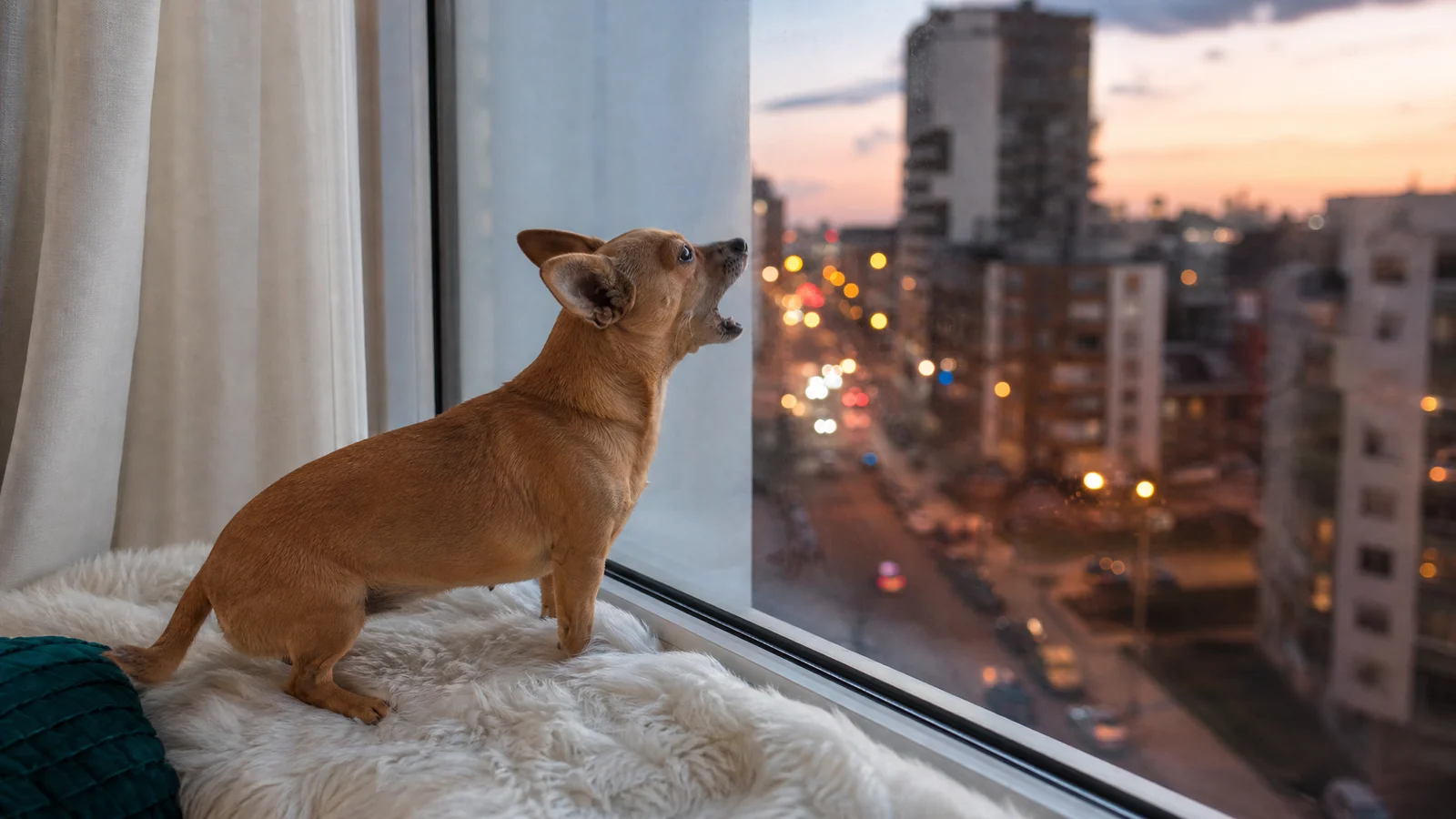 BehaviorMy Chiweenie Barks at Everything: Teaching a Quiet Settle
 Training basicsChiweenie Crate Training Without Forcing Alone Time
 Exercise and jobsProtecting a Chiweenie's Long Back: Low-Impact Exercise