 Chiweenie
10 Chiweenie training topics
Every common Chiweenie challenge, with first steps and guides to read.
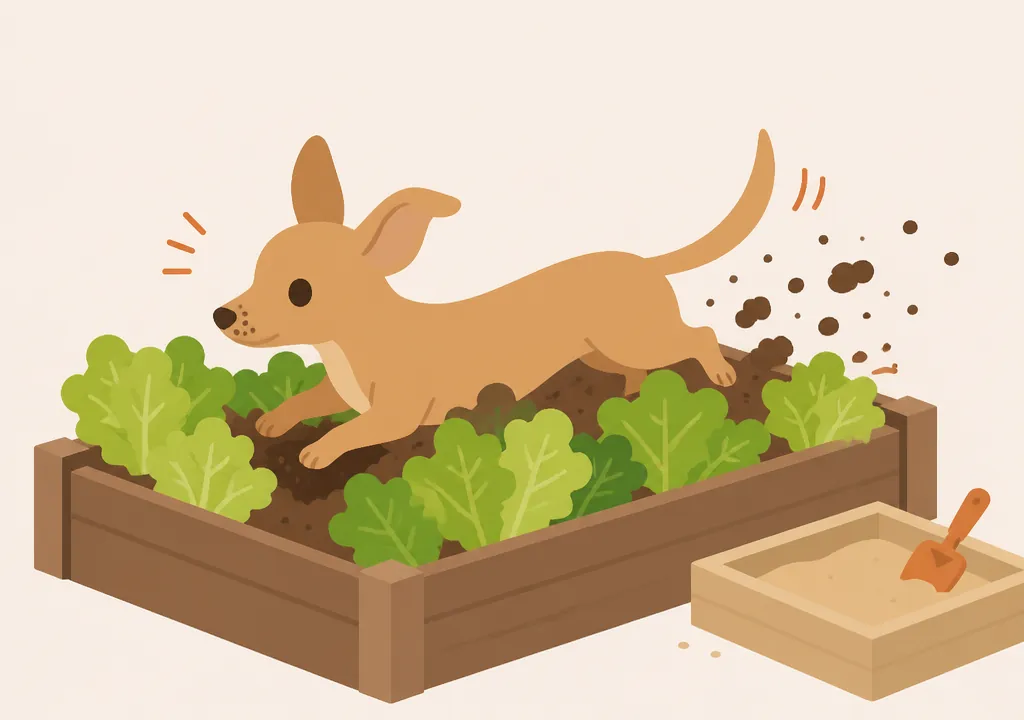
Digging
A dig box instead of the garden.
A Chiweenie may disappear into a blanket whenever a resting spot becomes available, or prefer to sleep stretched out in the open. Both preferences can fit this cross. Having a Dachshund parent makes burrowing understandable, but does not tell you what your particular dog needs from a bed.
The useful distinction is between arranging somewhere comfortable and repeatedly damaging fabric, searching the room or trying to get beyond a boundary. Those actions can look similar when all you notice is moving paws. Watch what happens after the digging before deciding which habit to change.
Read the full guide: What's a Chiweenie Doing Under the Blankets?
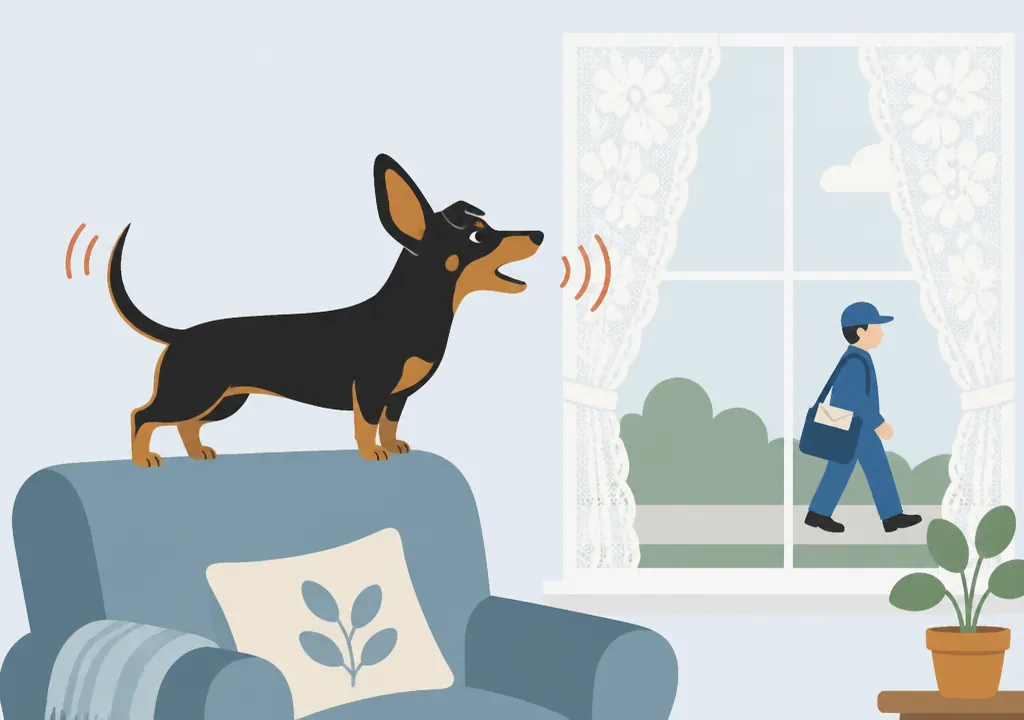
Barking at the window
One alert, then quiet.
A passerby disappears whether your Chiweenie stops barking or keeps going. From the dog's side of the glass, that can make a loud alarm look successful before you have offered any guidance. Calling from the kitchen afterward leaves you trying to interrupt a sequence the window has already made rewarding.
The useful lesson is a small change within that event: notice movement, turn toward you, collect a reward away from the glass, then recover. In this guide, we practice the separate pieces before joining them at an easy window. Some Chiweenies are naturally quiet and others are vocal, so the target is a manageable response to passersby rather than a promise of complete silence.
Read the full guide: Teaching Your Chiweenie to Sound One Alarm at the Window and Stop
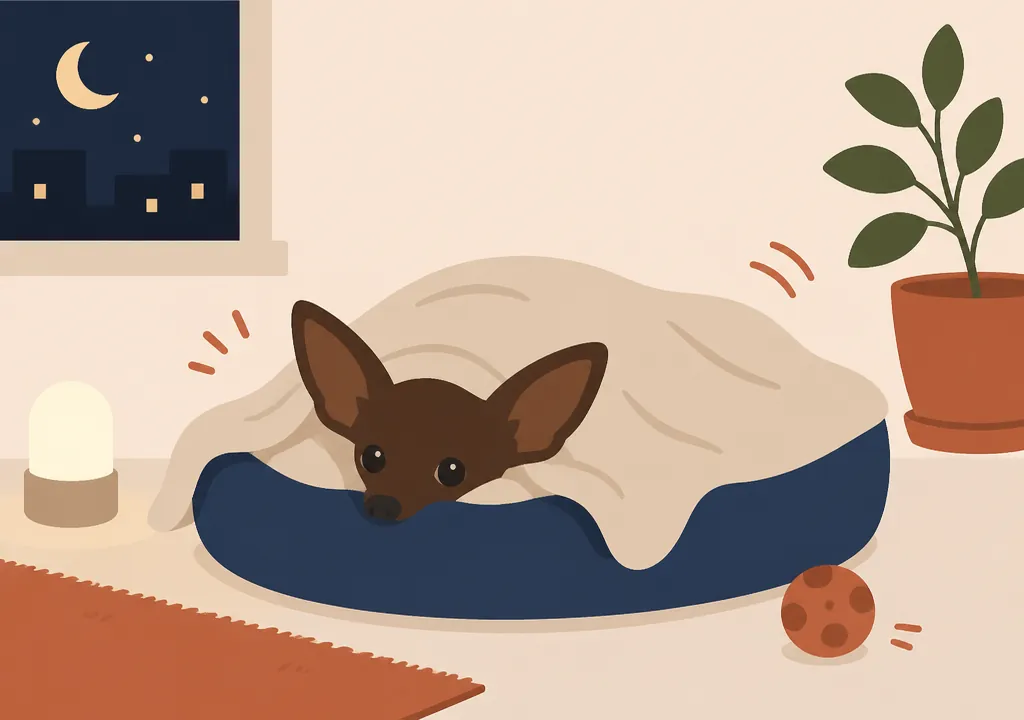
Time alone
Calm alone time for a loyal dog.
Closing the crate door does not teach a Chiweenie to feel safe alone, because those are separate skills. The dog first learns that entering and resting pay, then that you can step away.
The full guide covers setup, voluntary entry, door movement, distance, brief absence and when crying means easing up.
Guarding toys
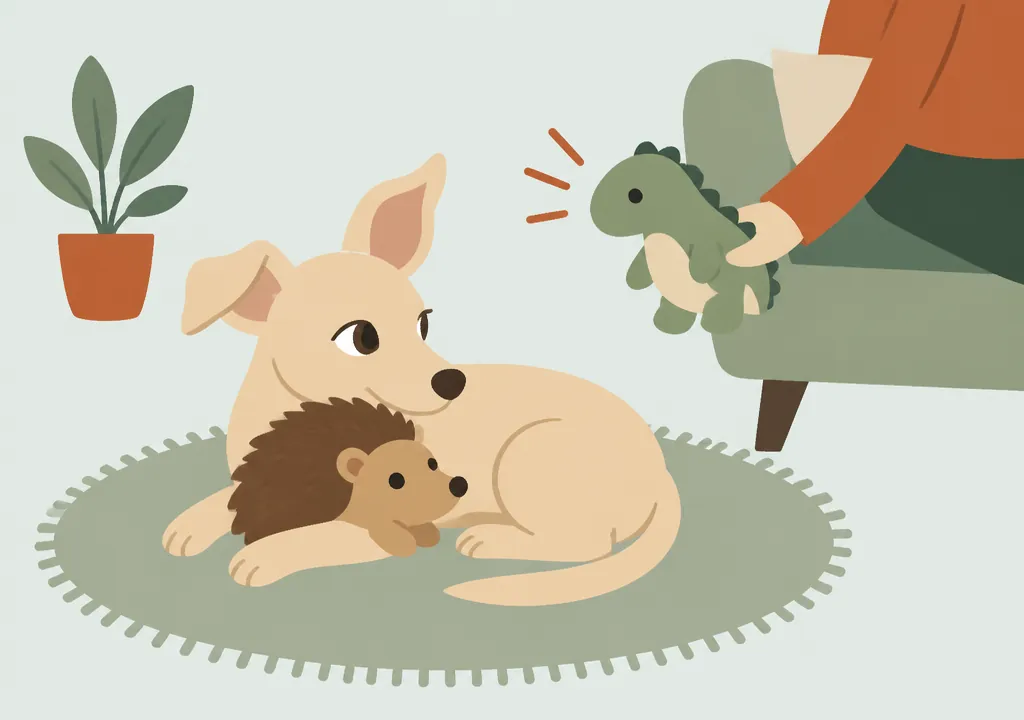
Happy trades instead of a stare.
Reaching for a toy can change an otherwise quiet moment with your Chiweenie. A dog who was chewing comfortably may stop moving, stare or lower their head over the object. The absence of a growl does not make that invitation to put a hand closer.
Small size can make people underestimate the importance of possession. Yet a Chihuahua and Dachshund cross can value a toy intensely, just as a larger dog can. Picking up the dog or lifting the toy out of reach may end that encounter without teaching anything reassuring about your approach.
Read the full guide: Happy Trades for a Chiweenie Who Guards Toys With a Stare
House training
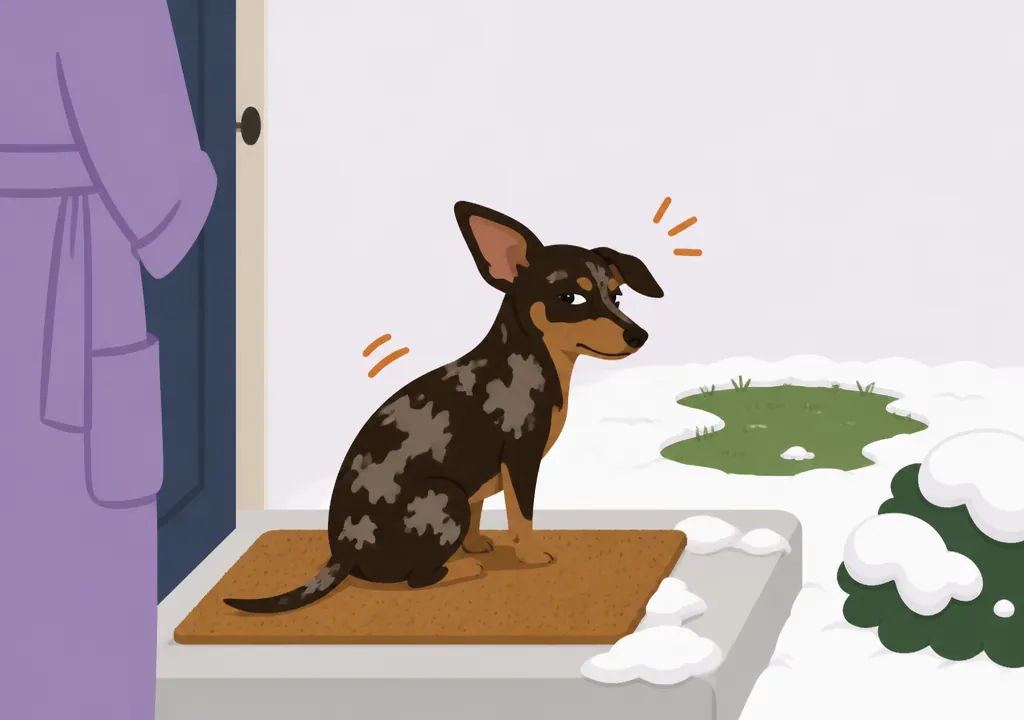
A clear routine for a small dog.
Training a Chiweenie starts before the first cue, and house training is the first everyday choice you make easy to repeat. Chihuahua or Dachshund parentage may bring alertness or quick learning, but nothing is certain.
The full guide is the whole reward-based system, not a potty plan, with markers, rewards and calm.
Refusing to walk
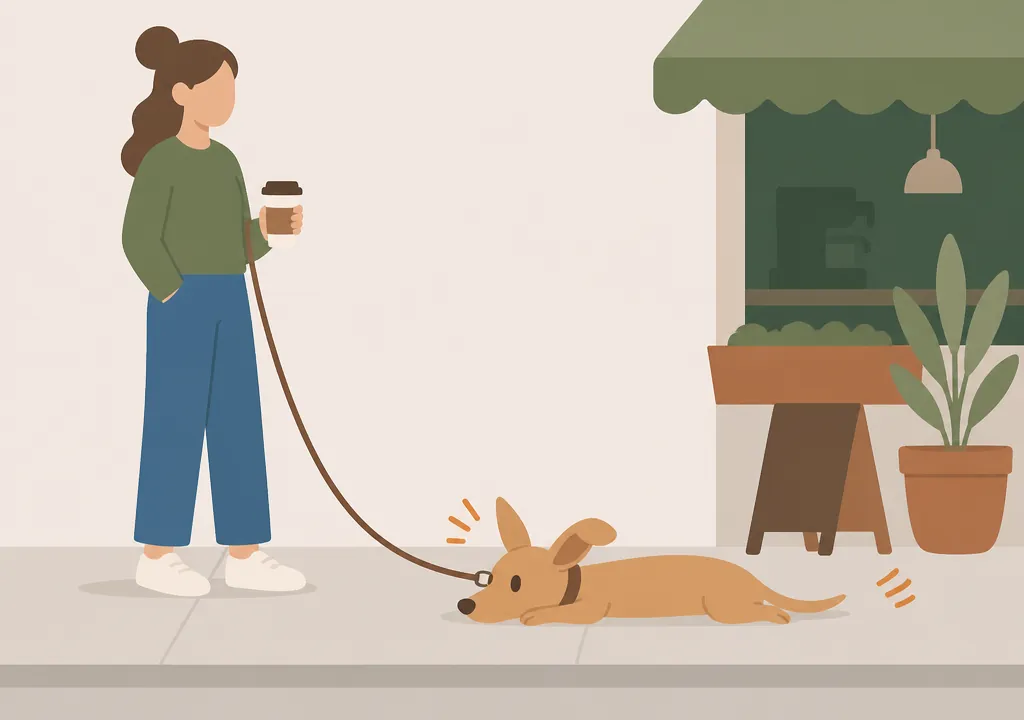
When short legs say no.
Freezing near a noisy corner, pulling toward the door, scent detours and lunging all tighten the leash, but they do not share a cause. Chihuahua alertness or Dachshund scent focus suggests what to watch.
The full guide opens five case files, each solved with rewards, distance and your dog's body language.
Jumping off furniture
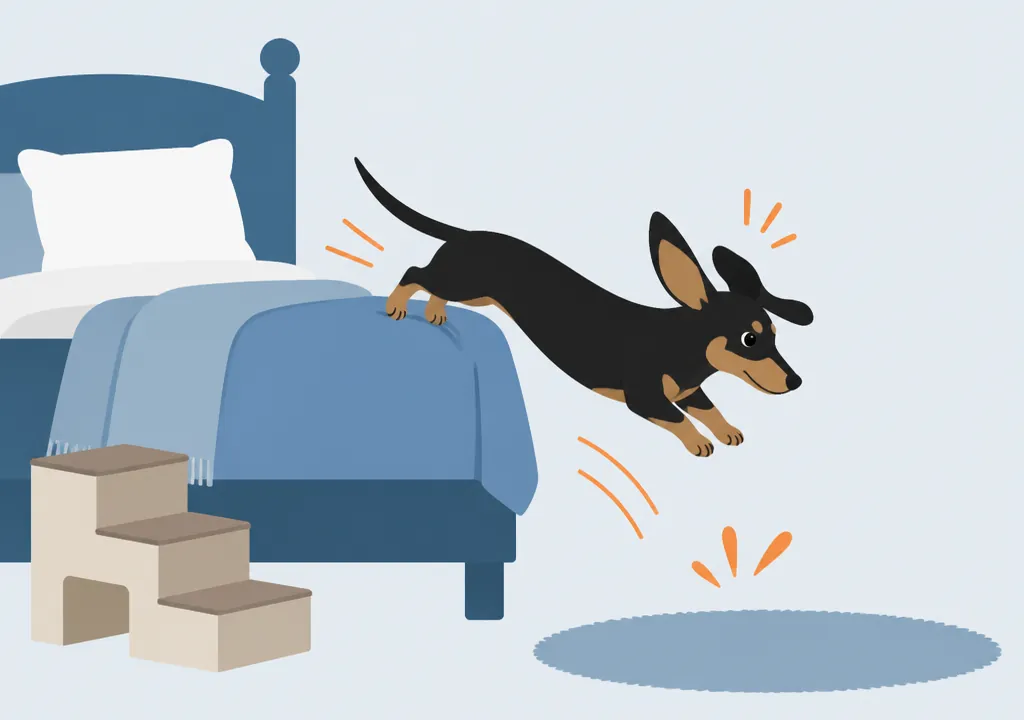
Protect that long back.
To reduce your Chiweenie's leaps from the sofa, first control when they can get onto it, then teach a dependable route down. A ramp beside the furniture does not automatically become the dog's preferred exit. The direct jump may still be familiar, faster or closer to the person they want to follow.
This guide treats that exit as a path you can inspect and teach, from the floor landing to the upper connection and the distractions that make a dog hurry. We also cover a waiting option for comfortable lifting. Chiweenies vary in body shape and mobility, so the arrangement should fit your dog rather than an assumed version of the cross.
Read the full guide: Ramps and Rewards for a Chiweenie Who Leaps Off the Sofa
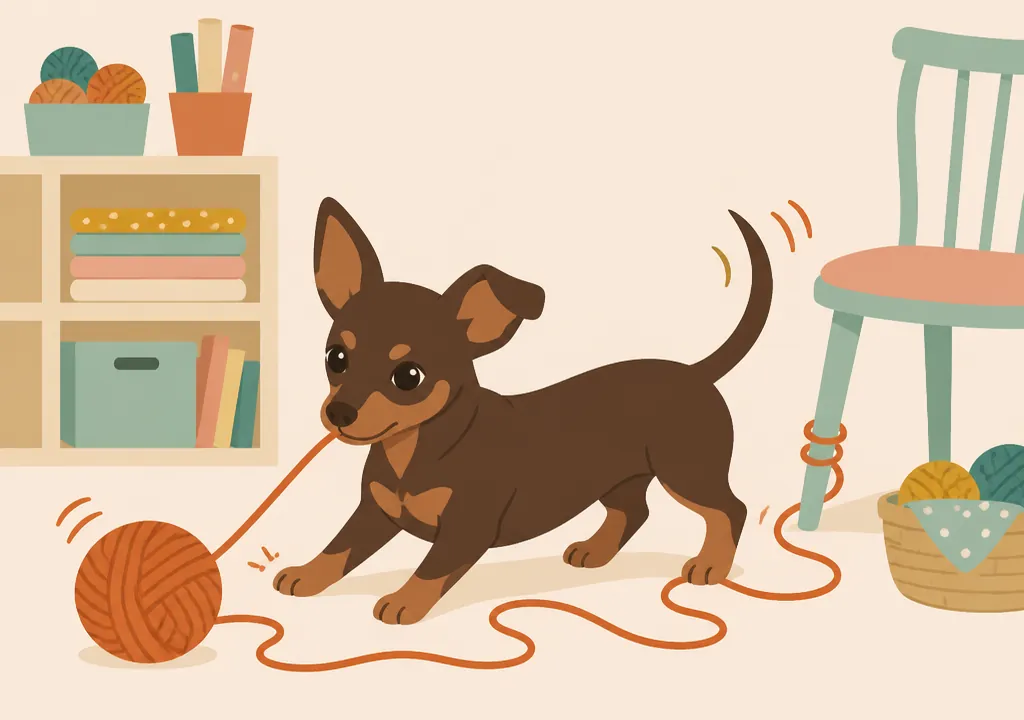
Chewing
Chews for busy jaws.
Why would a Chiweenie ignore a basket of toys and carry off a shoe? The available object may be easier to reach, more interesting to investigate or connected with an enjoyable response from a person. Having appropriate toys in the room does not necessarily make using them the most rewarding choice.
Both parent breeds bring an interest in activity and play, but individual Chiweenies differ in what holds their attention. Some enjoy working on a suitable chew beside the family. Others prefer carrying, searching or playing with someone, so an unused toy basket can conceal a mismatch between the activity offered and the activity wanted.
Read the full guide: A Chiweenie Who Chews Everything: Redirecting to Toys
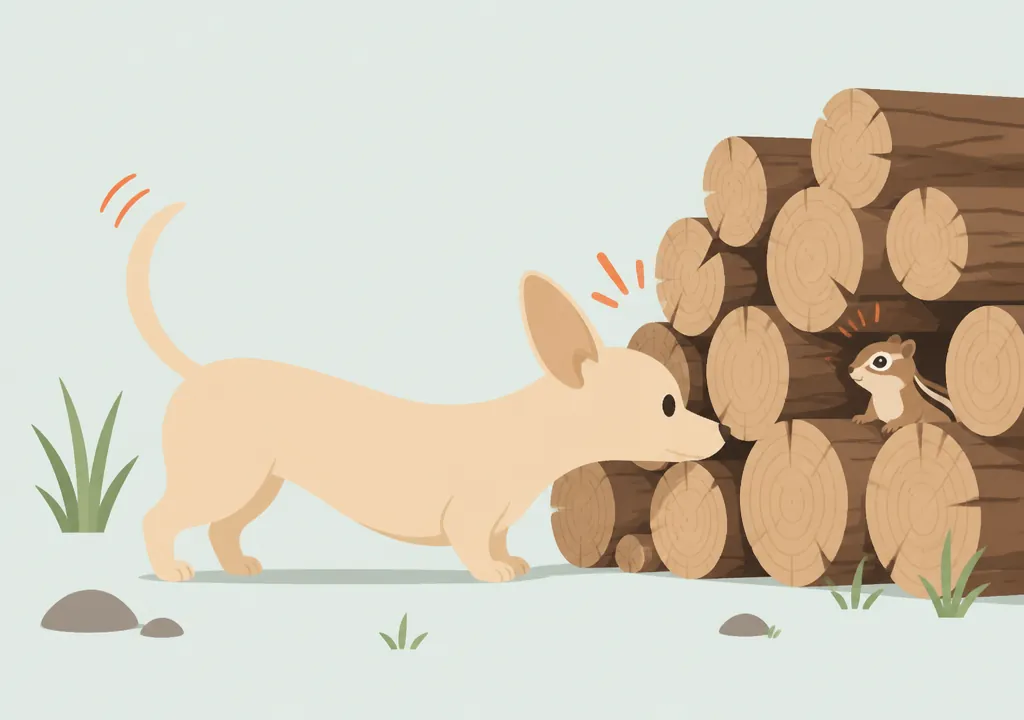
Chasing critters
Dachshund chase instinct at work.
Chasing and barking come from the same alert little dog, and this guide takes the voice. Both parent breeds rate 5 of 5 for barking, and every hallway noise strengthens the habit.
The full guide is about teaching a quiet settle rather than chase, with calm interruption and a mat.
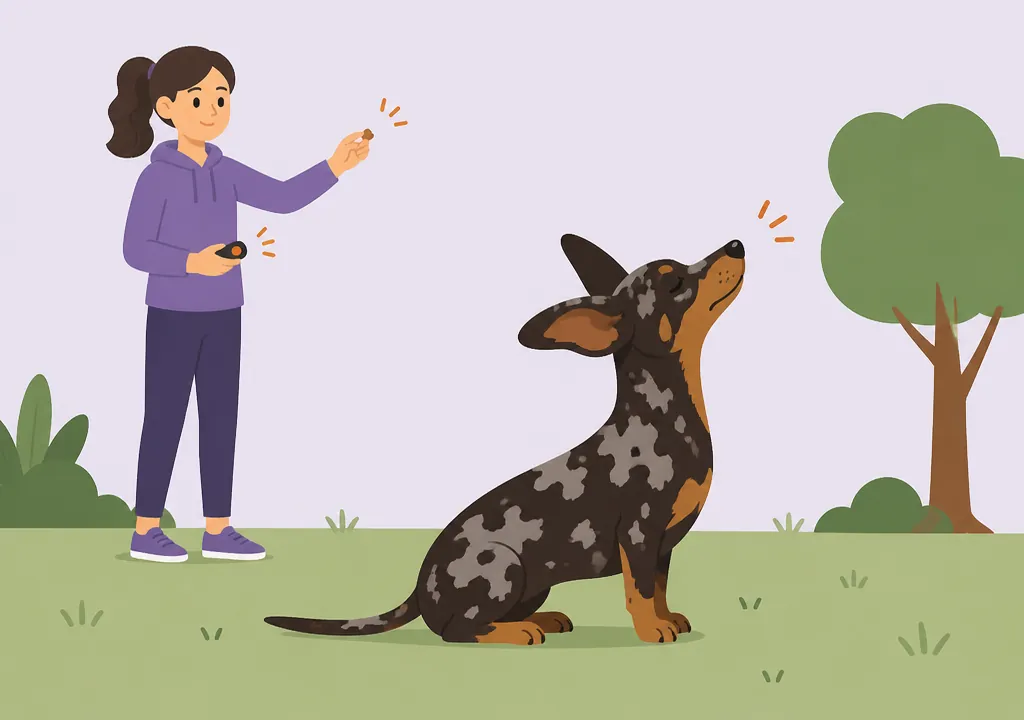
The teenage months
Patience with big opinions.
An eight-month-old Chiweenie who responds at breakfast but overlooks the same cue outside has not necessarily forgotten the lesson. Adolescence can bring changes in attention and behavior, while familiar surroundings become more interesting. The useful question is where the response still works and what is different when it becomes difficult.
This guide follows a familiar cue through ordinary moments in a day, from a quiet room to the doorway, a sniffing opportunity and evening rest. We will keep each request small enough to succeed and make the reward relevant to that moment. Eight months is context for your individual dog, rather than a deadline for either perfect manners or unavoidable trouble.
Read the full guide: Keeping a Teenage Chiweenie's Cues Reliable at Eight Months