 Chiweenie
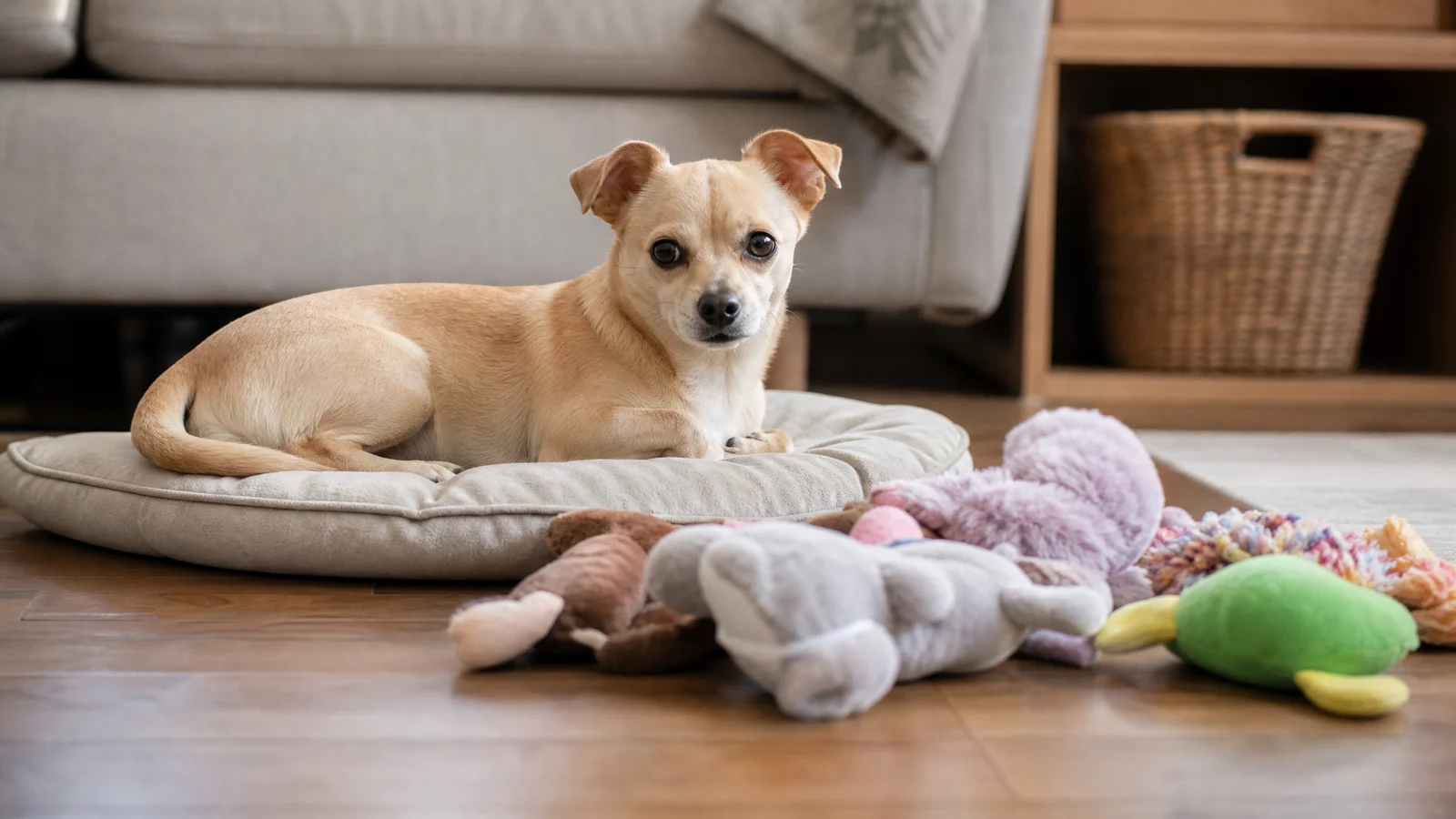
The usual advice starts with the ratings. AKC's Chihuahua rating is 1 of 5 for young children, with a warning that roughhousing with kids does not suit a dog so tiny, while the Dachshund's 3 of 5 means "with supervision." A Chiweenie can land anywhere between those two. Depending on which parent they take after, they may be anything from a patient lap dog to a wary little dog who leaves a child's reach fast.
We have trained this breed for many years, and the dogs who do best with kids are the ones whose children were taught what to do and whose choices were respected.
This article looks at socializing a Chiweenie around children, apartment neighbors, a resident dog and long workdays, so you can set gentle-handling rules, read your dog's signals and build calm through rewarded practice. Done well, you get a small dog who seeks the family out. Done badly, you get a dog who learns to bark, hide or snap.
Three Gentle-Handling Rules for Any Child Around a Chiweenie
Every household below shares the same three rules, so teach them before anything else. Present them to children as a short game with treats rather than a lecture. A Chiweenie has a small, long-backed frame, so a squeeze or a tumble that a sturdy dog would shrug off can really hurt, and the rules exist to keep the dog's freedom to say no.
- Touch calmly. The child uses one flat hand on the chest or shoulder, gives a few slow strokes, then stops and waits. If the dog leans in for more, the child may continue, and if not, hands go back to the child's lap.
- Keep four paws on the floor. Children do not lift, carry, hug or chase. They greet by sitting down and letting the dog come over, and only an adult picks the dog up.
- Let the dog leave. If the dog moves off, play ends and nobody follows. The dog's mat, crate or gated room is always off limits to children.
Reward the children as well as the dog. When a child follows a rule, mark it with a cheerful yes and let that child hand the dog one tiny treat from a flat palm. Praise for sitting down and stroking slowly turns the rules into a game the child is winning, and children repeat what wins.
Teach children to spot the early signs that a dog has had enough, such as lip licking, pursed lips and yawning. When you see one, go back to an earlier step instead of asking for a little more. A Chiweenie with the Chihuahua's self-reliant streak may simply stroll off, and that is the rules working.
You will hear advice to let a child hold and cuddle a small dog so the two bond. We would turn that around. Trust grows when the dog chooses to come over and gets paid for it, so the child who waits on the floor usually ends up with the more affectionate dog.
Socializing Young Children in a Busy Chiweenie Household
Case file one is a home with small children, visiting friends and constant motion. Both parent breeds score 4 of 5 for playfulness, so a Chiweenie is often keen to join in, yet the Chihuahua side makes rough play a poor fit. Your job is to run the household so the dog never has to end a rowdy game alone.
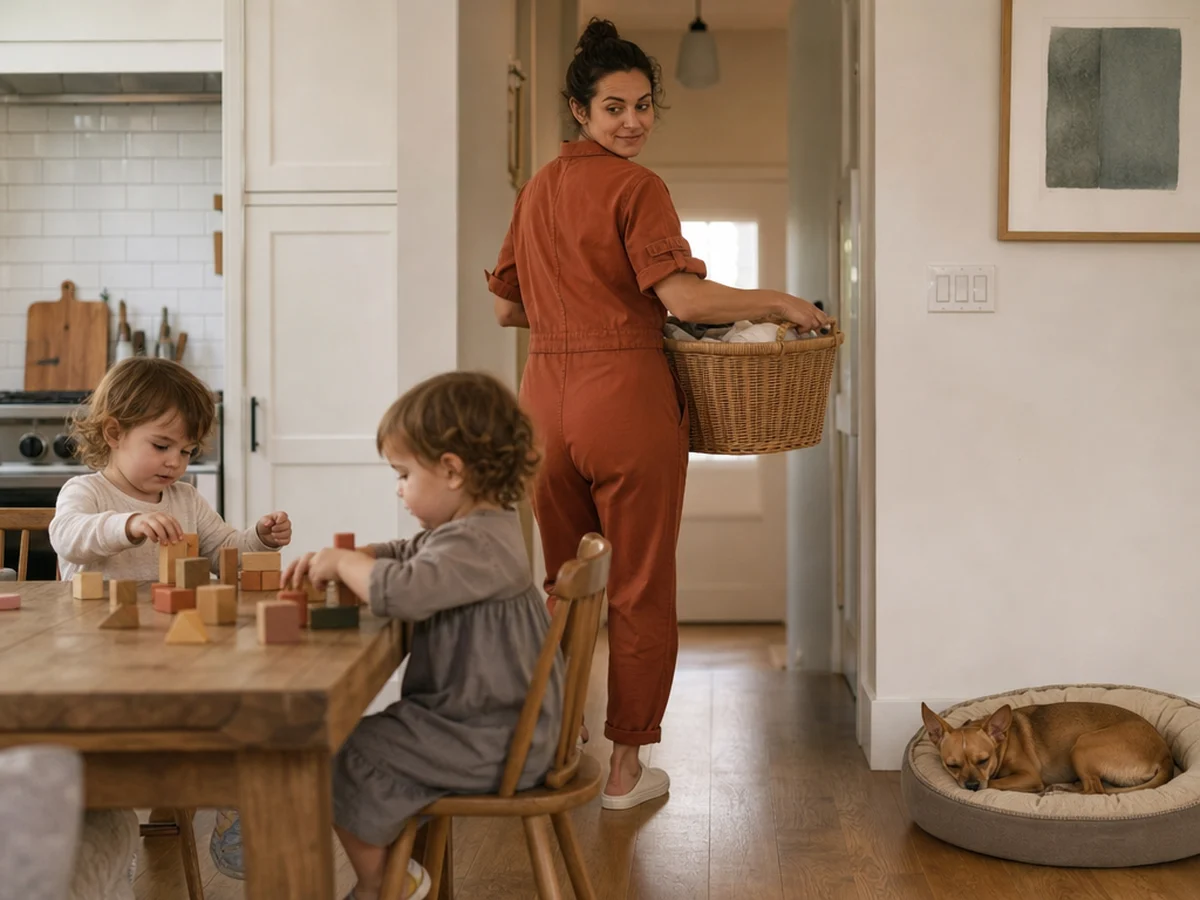
The Dachshund side adds a wrinkle. Dachshunds can be brave to the point of rashness, and a Chiweenie with that streak may stay in a noisy game well past the point of comfort. Calling the break yourself, with a treat waiting on the mat, protects a dog who will not ask for one.
Supervision matters most here. Young children face a higher bite risk than any other group, and the biggest risk comes from their own family's dog, more than from an unfamiliar one. A friendly, familiar Chiweenie still needs an adult in the room.
Toddlers
Toddlers cannot follow rules yet, so management does the work. Use baby gates or a playpen to split the floor, set up a bed or crate that belongs only to the dog, and keep an adult within arm's reach whenever the two share a space. Dachshunds are sensitive, so build every session on treats and calm, never on pressure.
This routine, done in order, teaches the dog that a toddler's arrival is good news:
- Send the dog to the mat with a chew or a few treats before the toddler comes close.
- Sit on the floor with the toddler a few steps away, so the dog can see them and stay relaxed.
- Toss a treat to the mat as the toddler comes into view, so the sight of the child predicts food.
- Guide the toddler's hand through one slow stroke on the shoulder, say yes and treat.
- Stop while the dog still looks loose and relaxed, then put the gate back up.
School-Age Children
School-age children can take a real part. Give each child one job, such as asking for a sit, tossing a treat to the mat or hiding treats around the room for a scent game, which suits the Dachshund nose. Mark the dog's calm choices, not the child's excitement.
Build a routine around the busiest moment of the day, usually coming home from school. The child sets down the bag, sits on the floor and waits for the dog to come over. Friends are a bigger risk than siblings because they do not know your rules, so explain them at the door and give the dog a chew in the gated room when play gets loud.
Socializing in a City Apartment With Thin Walls and Strangers
Case file two is an apartment where the hallway is a constant parade. Both parent breeds rate 5 of 5 for barking and 4 of 5 for watchdog nature, so footsteps, elevator dings and neighbors' voices can set a Chiweenie off fast. Strangers are a wild card too, since the Chihuahua rates 2 of 5 for openness to strangers and the Dachshund 4 of 5, so your dog may lean either way.
The encouraging number is adaptability, which is 4 of 5 for both parents. A Chiweenie can settle into city life when exposure is controlled. The goal is brief, planned greetings and sounds that predict treats, not a gauntlet of strangers in the lobby.
- Pair hallway sounds with treats. When a door closes or footsteps pass, say yes and drop a treat on the mat before any barking starts. Begin at quiet times of day.
- Plan neighbor greetings. The neighbor stands still a few steps away, ignores the dog, and offers a treat low and to the side only if the dog chooses to approach.
- Keep each hello brief and finish while the dog is still comfortable. Several short meetings with different people teach more than one long one.
- Use lifting wisely. In a crowded elevator an adult can carry the dog, then set them down in a quiet corner so they keep practicing on their own feet.
- Give the children in your building the three rules. Ask them to wait for permission and to sit down before saying hello.
Thin walls make barking a neighbor issue, so work on it alongside the greetings. Our guide to teaching a quiet settle covers the mat work in detail. If your dog pulls toward every door, start with sounds and distance before you add people.
A Two-Dog House Adding a Chiweenie
Case file three is a household with a resident dog and a new Chiweenie. Dog-to-dog scores differ between the parents, at 3 of 5 for the Chihuahua and 4 of 5 for the Dachshund, and the Chihuahua is described as clannish, preferring company of its own kind. Plan positive, deliberate introductions instead of hoping the dogs sort it out.
Check size first. The Chihuahua standard caps weight at 6 pounds, while a standard Dachshund usually weighs 16 to 32 pounds and a miniature 11 pounds or under. Your Chiweenie may land anywhere in that range, and your resident dog may dwarf them. Even friendly play can injure a small dog, so match the play to the smaller one.
- Start with a parallel walk on neutral ground, the dogs far enough apart that both can still take treats, and reward loose, relaxed bodies.
- Shrink the distance over several outings, allow a brief sniff on slack leashes, then turn away together and pay both dogs.
- At home, let the dogs see each other through a gate before sharing a room, then allow short, supervised visits.
- Separate resources. Feed in different rooms, give each dog a bed, and pick up favorite chews and toys when both are out.
- Keep children out of the first meetings, then teach them the three rules for both dogs.
Do not forget the resident dog. Keep their routines and favorite spots intact, and reward calm behavior around the newcomer. The likely reason this matters is that a dog who feels crowded out may snap at a small newcomer, while one who still gets the usual walks and attention has less to be upset about.
Socializing When Everyone Is Out All Day
Case file four is a home where the adults work and the kids are at school, so the Chiweenie spends long stretches alone. Both parent breeds are affectionate with family, at 4 and 5 of 5, so the absence is felt. The risk is an evening greeting with too much energy or too little confidence, which means socializing has to fit around the empty hours.
Start the morning with a short, sniff-heavy walk and a scent game, which enrich the day without taxing a long back. Our guide to low-impact Chiweenie exercise and brain games has ideas. Then book a dog walker or sitter to stop by at midday, introduced carefully.
Have the sitter visit while you are home several times before the first solo day, handing over treats and letting the dog set the pace. Give the sitter your marker word and the three handling rules, and ask them to let the dog approach instead of scooping them up.
Ask for notes on stress signals such as yawning, lip licking or turning away, so you can adjust the plan.
The evening is where most trouble starts. Everyone is home, the kids want the dog, and the dog wants everyone at once. Offer a bathroom break and a chew on the mat first, skip the hands-on greeting until they are settled, then bring children in one at a time using the three rules.
Weekends tempt families into marathons of visitors, park trips and relatives. Spread new experiences across weeks, one per day, with quiet days between. If your dog starts barking at everything or hiding, the day held too much, so cut back and rebuild.
What Years of Socializing a Chiweenie Look Like
Expect gradual gains. Progress is uneven at first, with good days followed by backward steps, especially when something changes, such as a move, a houseguest or a new baby. As the dog matures, a well-socialized Chiweenie usually recovers from surprises faster, and the adaptable nature of both parent breeds helps.
Some reserve may stay for life. A Chiweenie who takes after the Chihuahua may always prefer a favorite person and greet strangers politely instead of warmly. That is fine. The aim is a calm, polite dog, not one who adores everyone.
Children change too. As toddlers become school-age children, the rules get easier to follow and the dog's trust deepens. Revisit the three rules at each stage, add new jobs for growing kids, and teach every visiting child the same habits.
Keep regular vet visits on the calendar and mention any new wariness, since pain can make a dog less tolerant of touch. If snapping begins, our guide to Chiweenie snapping and biting explains the fear behind it. Plan on years, not weeks. Comfort grows with calm, rewarded practice and children who let the dog choose, though some reserve may stay for the whole of a Chiweenie's life.
 BehaviorWhat's a Chiweenie Doing Under the Blankets?
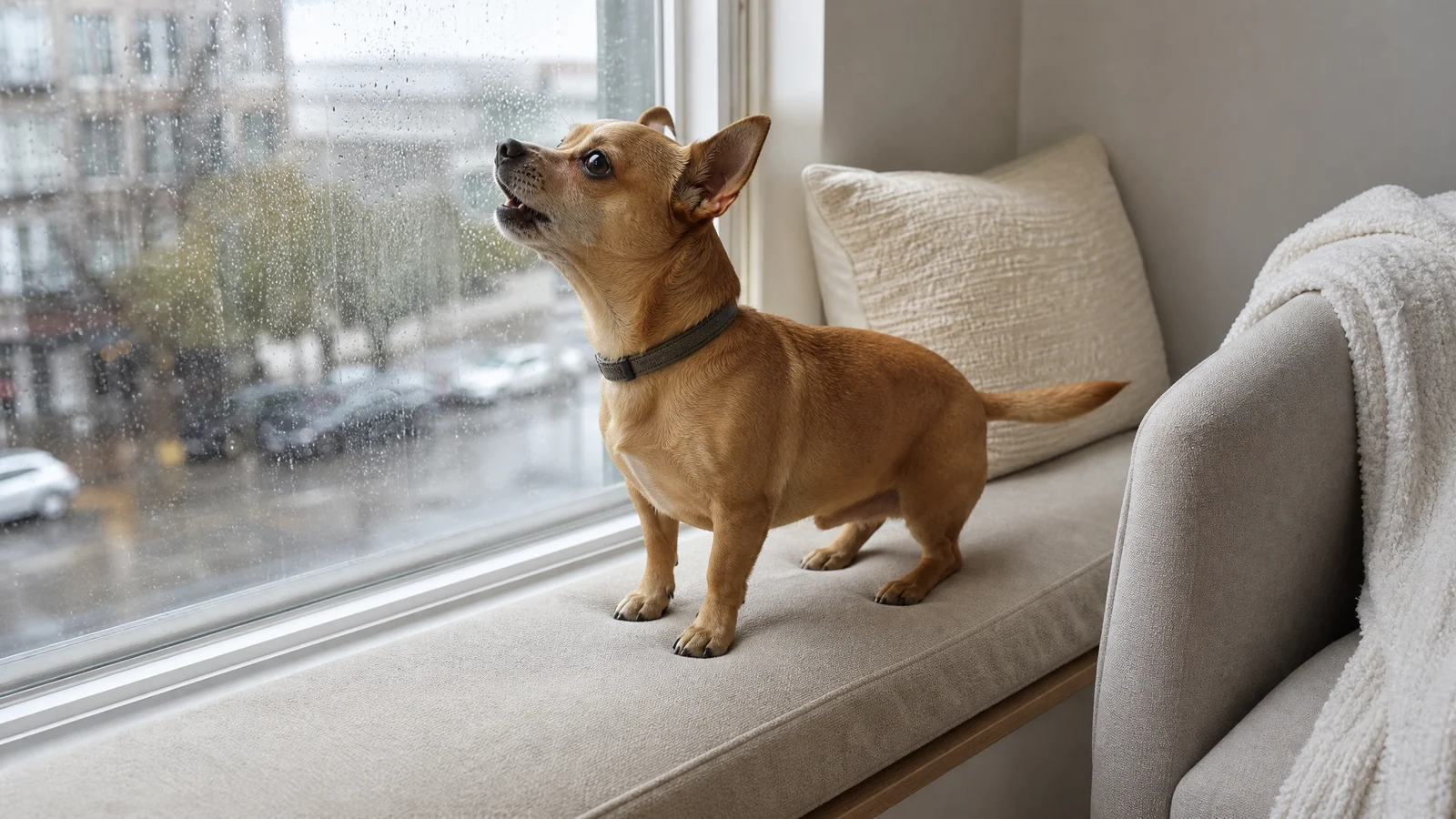 BehaviorTeaching Your Chiweenie to Sound One Alarm at the Window and Stop
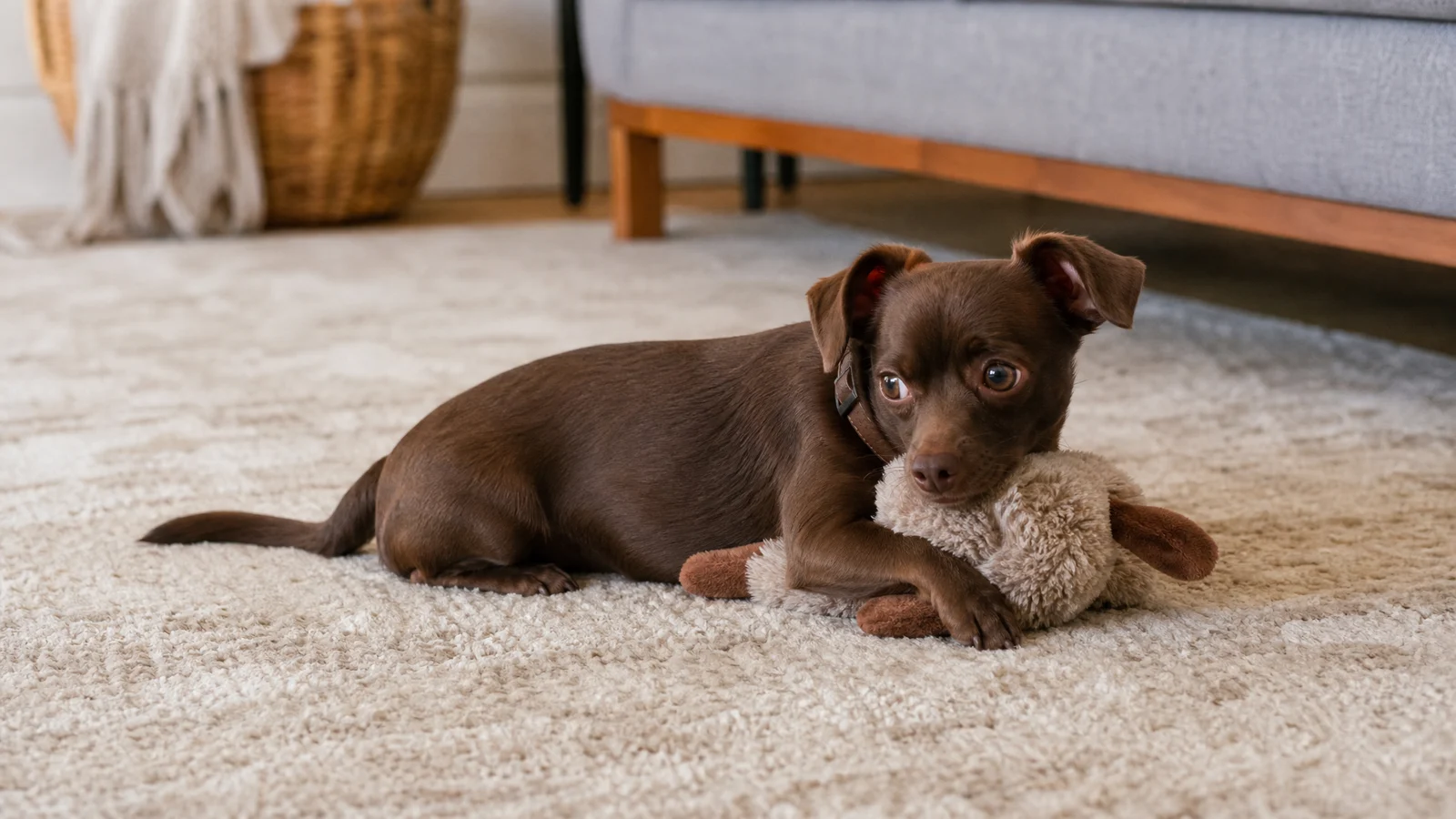 BehaviorHappy Trades for a Chiweenie Who Guards Toys With a Stare