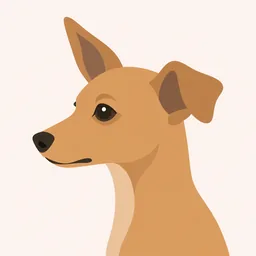
 Chiweenie
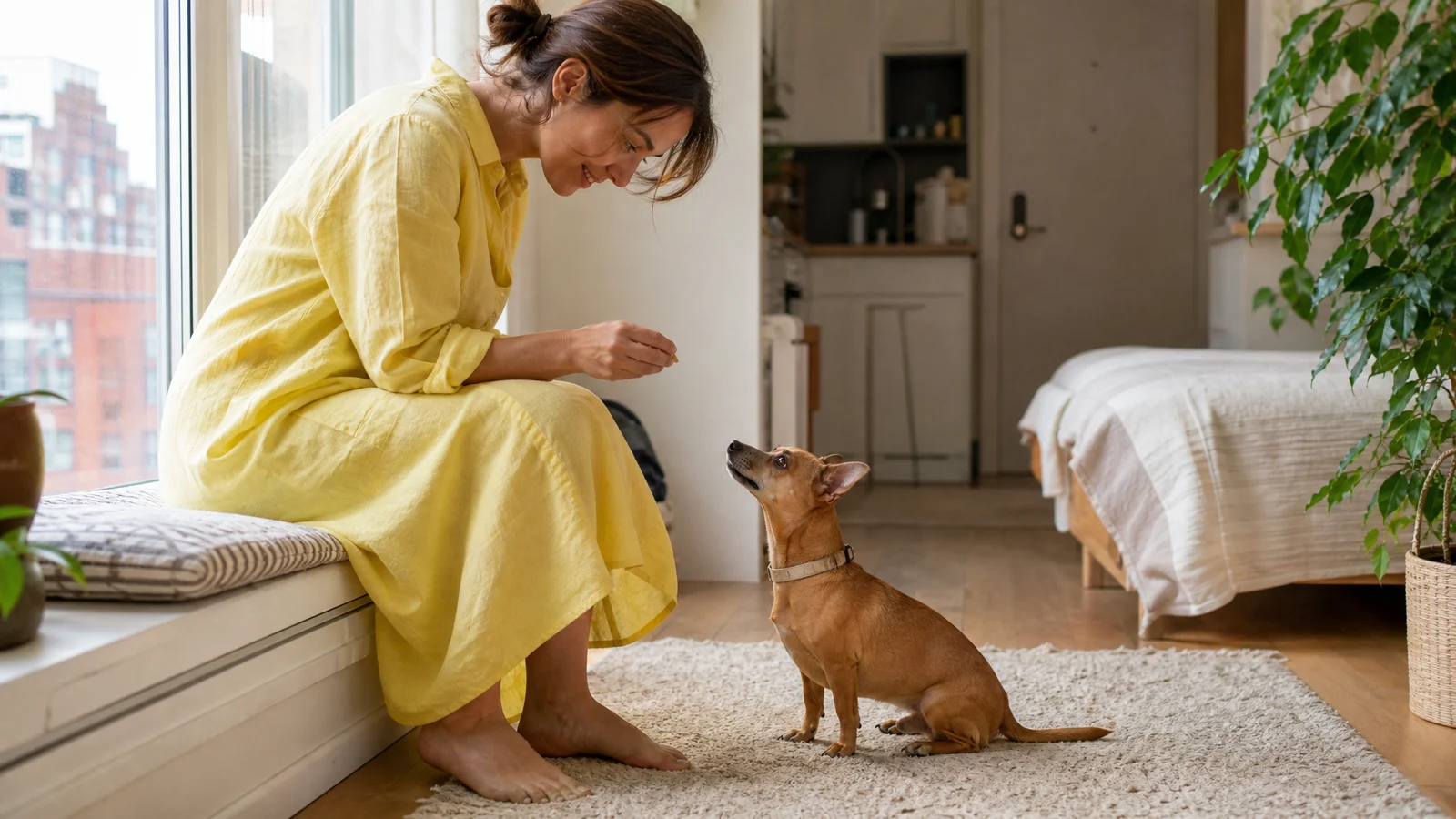
Are Chiweenies easy to train? Some individuals learn household skills readily, while others need smaller steps and better rewards before their ability becomes visible. The useful answer comes from watching the dog in front of you, not predicting a fixed personality from a Chihuahua and Dachshund family tree.
A Chiweenie may show possible influences from either parent breed, yet no particular mix of cleverness, independence, sensitivity, or eagerness is guaranteed. This guide tests trainability through clear criteria: understanding, motivation, surroundings, recovery, and reliability. It also shows how we adjust reward-based lessons when one part of that picture is weak. You will leave with observable tests instead of a breed-wide verdict.
Chiweenie Temperament Is Individual Evidence
Temperament is the pattern you can observe across situations, not a label attached to the breed name. Notice how your dog approaches something new, responds to a familiar cue, accepts a reward, and settles after excitement. Those observations tell you far more than deciding in advance that a Chiweenie must be eager or stubborn.
The parent breeds can suggest questions worth asking. The Chihuahua parent is described as alert and intelligent, while the Dachshund parent may bring independent focus. A Chiweenie could show either influence, both, or neither in an obvious way, so parent traits should guide observation rather than become a prediction.
Use the same simple task in several calm places before drawing a conclusion. If your dog follows a hand target in the kitchen but hesitates in the hallway, the skill may be tied to context. That is unfinished learning, not proof of a difficult personality.
| What you observe | What it may mean | What to change |
|---|---|---|
| The dog looks away before moving | The cue may be unclear | Teach a smaller action and mark it precisely |
| The dog responds once, then wanders | The reward may be weak | Offer a reward the dog chooses again |
| The dog succeeds indoors only | The setting is part of the cue | Practice in another quiet location |
| The dog cannot settle afterward | The challenge may be too intense | Lower distraction and add recovery time |
This test keeps the judgment fair. A dog who needs clearer information can still be highly capable, and a dog who works eagerly for food may still need careful practice around movement or noise. Trainability is a collection of skills, not one permanent score.
Trainability Starts With Clear Information
Before judging willingness, make sure the lesson has one recognizable answer. Choose a cue, prompt an easy version of the action, mark the exact success, and deliver the reward. If the sequence changes from one repetition to the next, the dog has to solve the handler before solving the task.
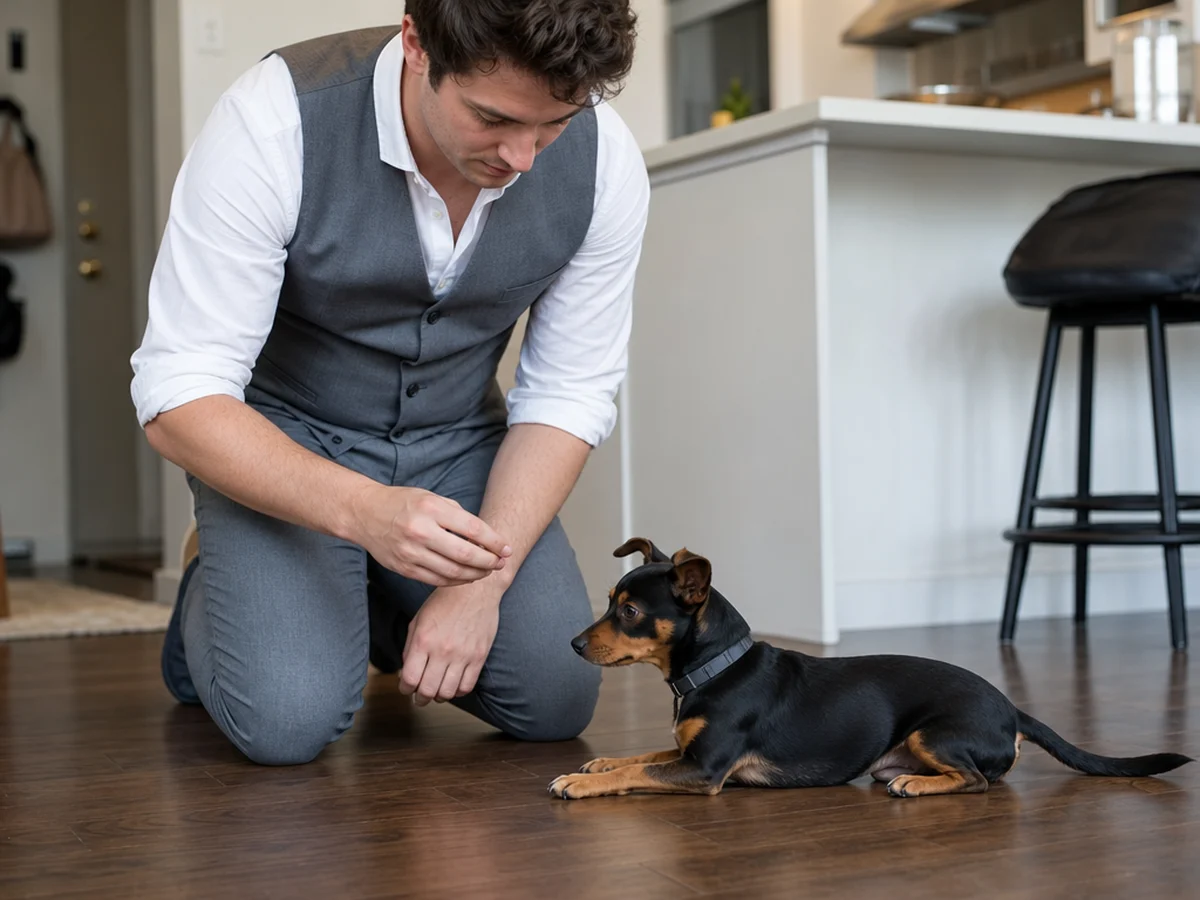
The reward-based training guidance explains that a behavior becomes more likely when it produces something the dog values. That principle is practical for a Chiweenie because it replaces arguments about attitude with a visible learning loop. The dog acts, the marker identifies the action, and the reward confirms the choice.
Test Understanding Before Independence
Teach in a space where your dog can orient to you without giving up an urgent distraction. Ask for a touch, a short follow, or a step onto a mat. When the action happens smoothly from a spoken cue, remove the prompt and see whether the dog still understands.
A repeated cue can become background noise. Say it once, allow a brief chance to respond, then make the next attempt easier if nothing happens. Moving closer, reducing duration, or returning to a visual prompt gives useful information without turning the moment into a contest.
Test Clarity Through Transfer
Move the same exercise to another quiet room after it is easy in the first one. Change only the location so you know what challenged the dog. Reliable learning grows when each new version is close enough to the old version that the dog can recognize the pattern.
Our Chiweenie training guide connects this teaching loop to handling, household routines, and outdoor manners. Use that broader system when several skills are weak, but keep each individual lesson narrow enough for the dog to succeed.
Pause between repetitions long enough to see what the dog retained. An immediate second cue can hide whether the first outcome was understood, while a brief reset reveals whether the dog offers attention again. That renewed engagement is useful evidence about both clarity and reward value.
Chiweenie Temperament Changes Reward Value
A reward is not effective merely because it seems generous to a person. Its value appears in the dog's next decision. If your Chiweenie returns promptly and offers the behavior again, the outcome probably mattered. If they take the food and leave, change either the reward, the setting, or the length of the session.
Possible parent-breed influences may shape preferences without determining them. One Chiweenie may enjoy food and social contact, while another values sniffing or access to a resting place. Watch what your individual dog chooses during ordinary life, then use safe access to those activities after the desired behavior.
A practical reward menu prevents a weak treat from being mistaken for poor trainability. Keep several options available and match them to the effort required.
- Use small food rewards for quick indoor repetitions where precision matters.
- Offer a brief toy interaction when play brings the dog back ready to focus.
- Release the dog to sniff after a check-in or a moment of leash slack.
- Use calm contact only when the dog seeks it and remains relaxed.
Do not show the payment before every response. Once the dog knows the movement, give the cue with empty hands and produce the reward after the marker. The cue then carries information, while the reward remains a consequence rather than a bribe.
Varying rewards does not require making them unpredictable. The dog should always know which response earned access. That clarity matters for an individual who pauses to evaluate choices, because the useful choice needs to remain easy to identify.
Reward placement also changes the next action. Delivering food beside a mat supports staying near it, while tossing food away creates movement and a natural reset. Choose placement deliberately so the reward prepares the next repetition instead of pulling the dog out of position by accident.
Chiweenie Temperament Under Distraction
Distraction changes the question from “does the dog know this?” to “can the dog perform it here?” A scent on the sidewalk, a sound beyond the door, or movement across the yard can compete with a familiar cue. A possible Dachshund influence may make scent especially interesting, but individual observation must decide.
The Dachshund profile describes that parent breed as intelligent, independent, and sometimes challenging to train. For a Chiweenie, this is only a possible influence. It supports starting with enough distance and worthwhile rewards, not assuming the dog will ignore you.
Read Attention Before Asking
Look for an available learner. A dog who can glance toward you, accept a familiar reward, and move with a loose body can probably attempt an easy cue. A dog who stares, braces, or stops responding needs more space before the lesson continues.
Reward voluntary orientation before demanding a formal behavior. A glance back during a walk is the smallest useful check-in, and reinforcing it makes future communication easier. From there, ask for a familiar touch or a few steps together rather than testing the hardest skill.
Raise One Difficulty at a Time
Distance, duration, movement, and novelty are separate difficulties. Add one while keeping the others familiar. If a mat settle is easy for a short period in a quiet room, increase the time slightly before moving the mat near household activity.
When the response breaks down, return to the last version that looked comfortable. Progress is not lost by lowering the challenge. The easier repetition restores the pattern and tells you exactly where the next training step should begin.
Trainability Setbacks Need Assessment
A setback can come from an unclear cue, a weak reward, a difficult environment, stress, fatigue, or physical discomfort. Calling every hesitation stubbornness hides those differences. We recommend changing one variable at a time and watching whether the response improves.
If a dog responds only when food is visible, rebuild the sequence with the reward out of sight until after the marker. If they respond in one room only, practice in a second calm room. If a behavior suddenly changes across settings, training may not be the main issue.
Regular vet visits help establish what is normal for your Chiweenie. Ask your veterinarian about a sudden change in movement, appetite, sleep, attention, or tolerance for touch. A dog who feels unwell may hesitate for reasons no reward adjustment can solve.
Persistent fear or an inability to recover deserves help from a qualified professional who uses rewards. The AVSAB position statement calls for reward-based methods in both skill teaching and behavior plans. The chosen professional should make the environment safer while protecting the dog's ability to choose and recover.
Household skills can expose different parts of the same picture. Our Chiweenie crate training guide separates comfort in a resting space from comfort with absence. That distinction prevents a broad temperament label from replacing a specific training plan.
Reliable Chiweenie Trainability
Reliability appears as a pattern of manageable choices. Your dog begins the behavior with less prompting, transfers it to another calm setting, and recovers after a modest distraction. Those changes are more meaningful than fast performance in one familiar room.
Keep a simple mental record of what was easy, what changed, and how the dog recovered. Compare your Chiweenie with their earlier work, not with a parent breed or another dog. Individual variation is the central fact of a designer cross, and it should shape every next step.
The answer to whether Chiweenies are easy to train is conditional. They are easiest to teach when information is clear, rewards are genuinely valuable, and surroundings match current skill. Some individuals will progress quickly, while others need finer steps. Neither path can be predicted with certainty from parentage.
End each session with the dog still able to think and choose. That habit protects motivation and leaves a clear starting point for the next lesson. Trainability then becomes something you build through observation, not a verdict you impose on temperament.
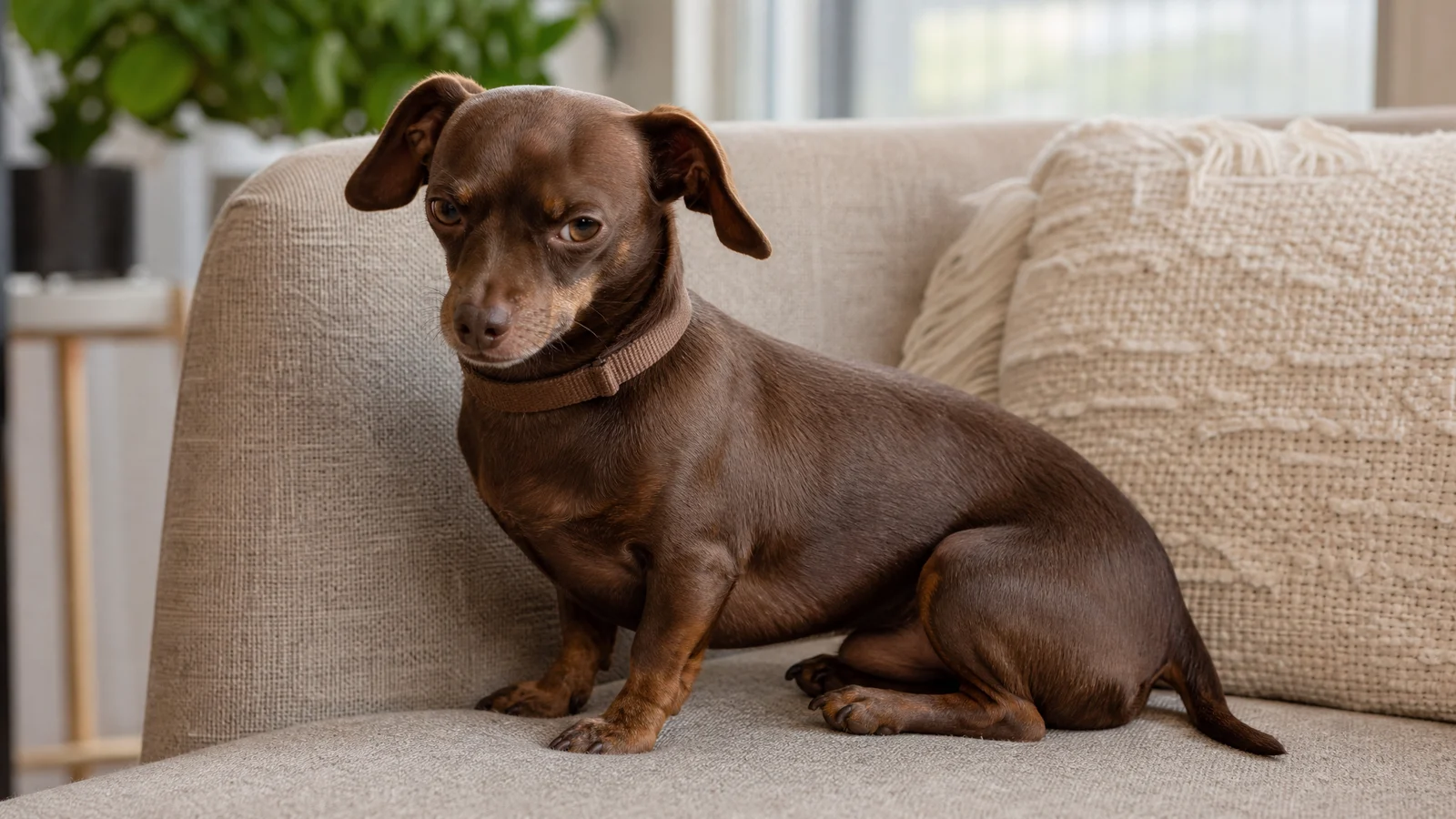 BehaviorWhy Is My Chiweenie Snapping and Biting, and Is It Aggression?
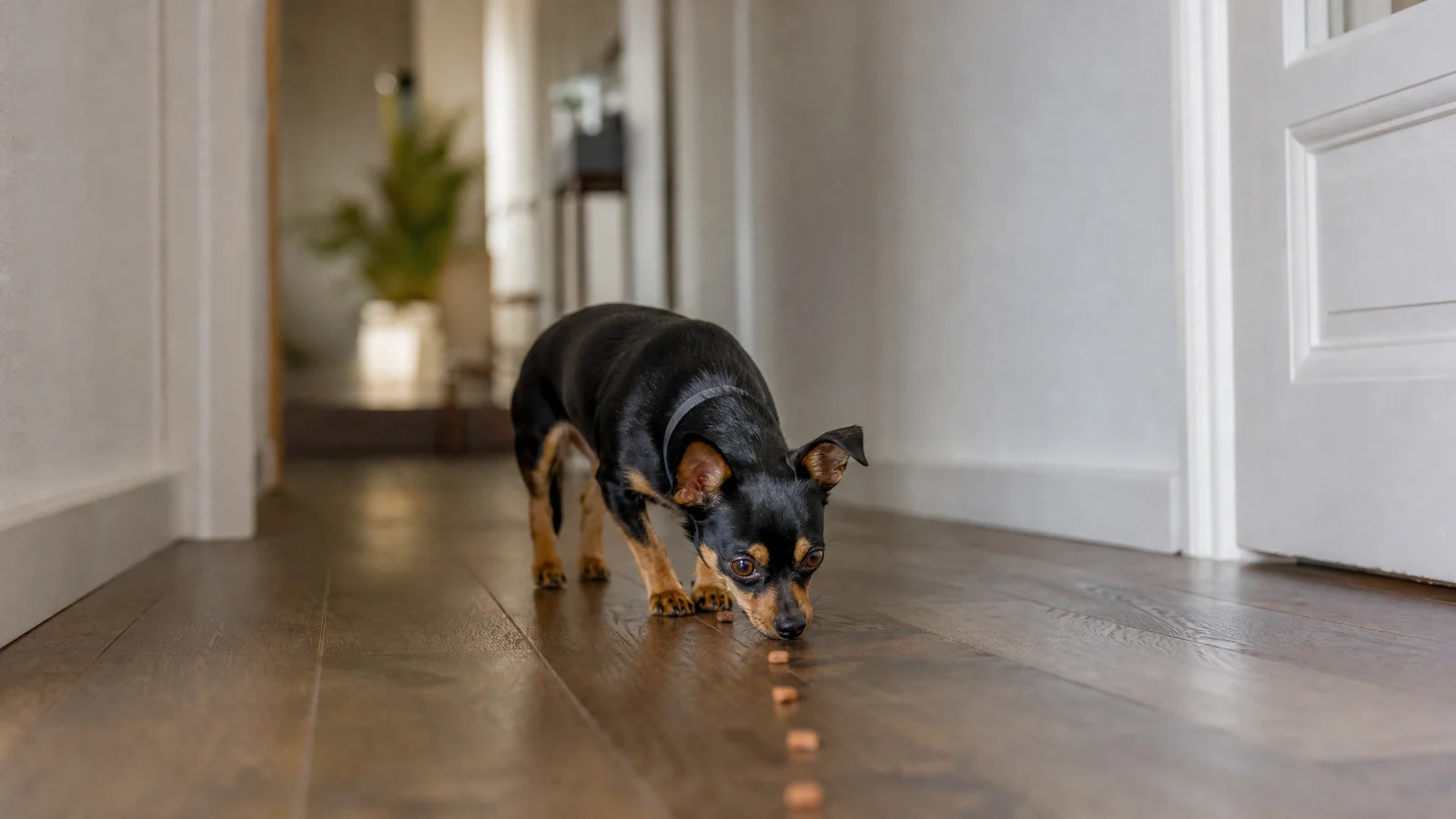 Exercise and jobsAre Chiweenies Smart Enough for Scent Games and Obedience?
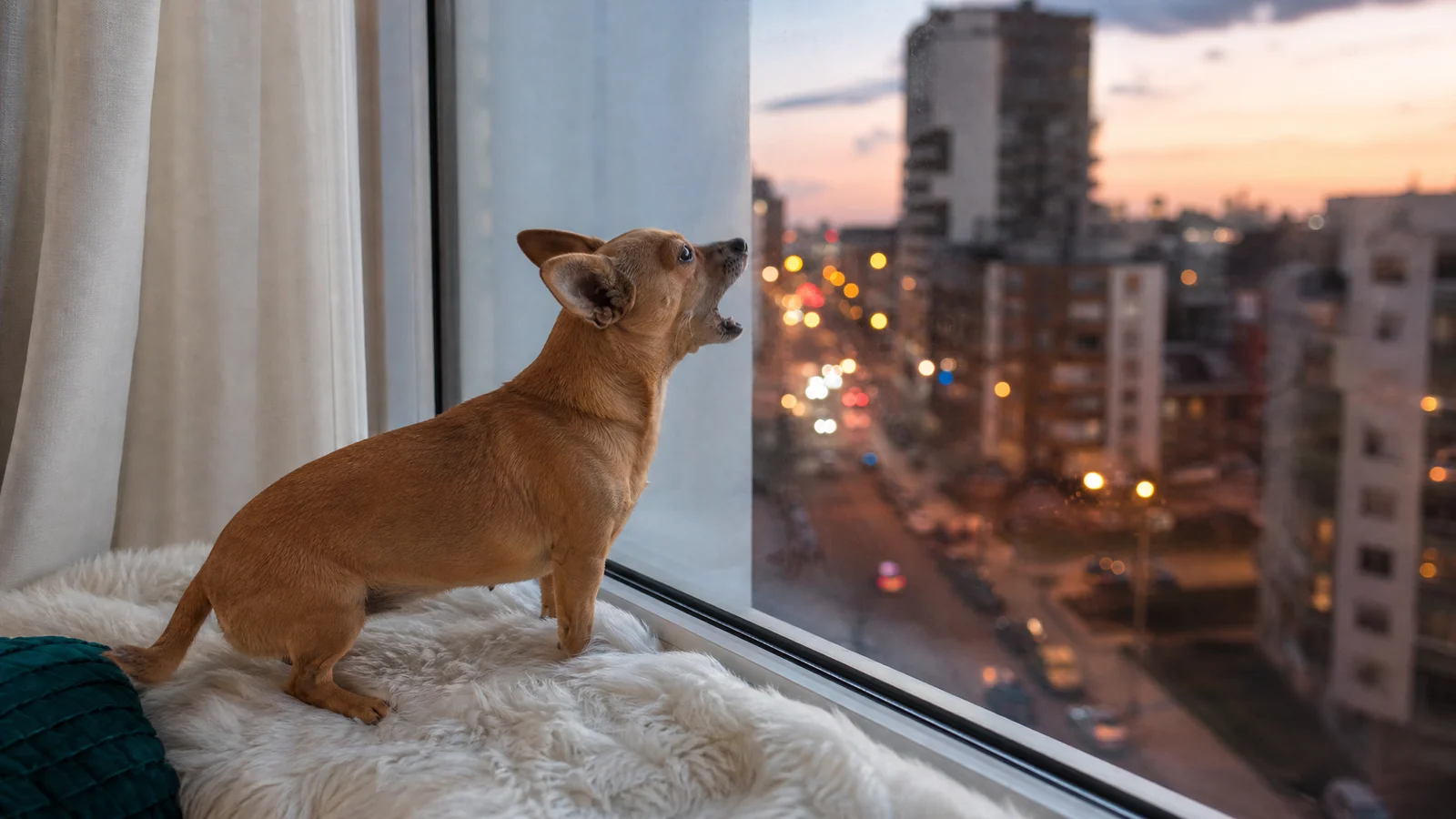 BehaviorMy Chiweenie Barks at Everything: Teaching a Quiet Settle