 Chiweenie
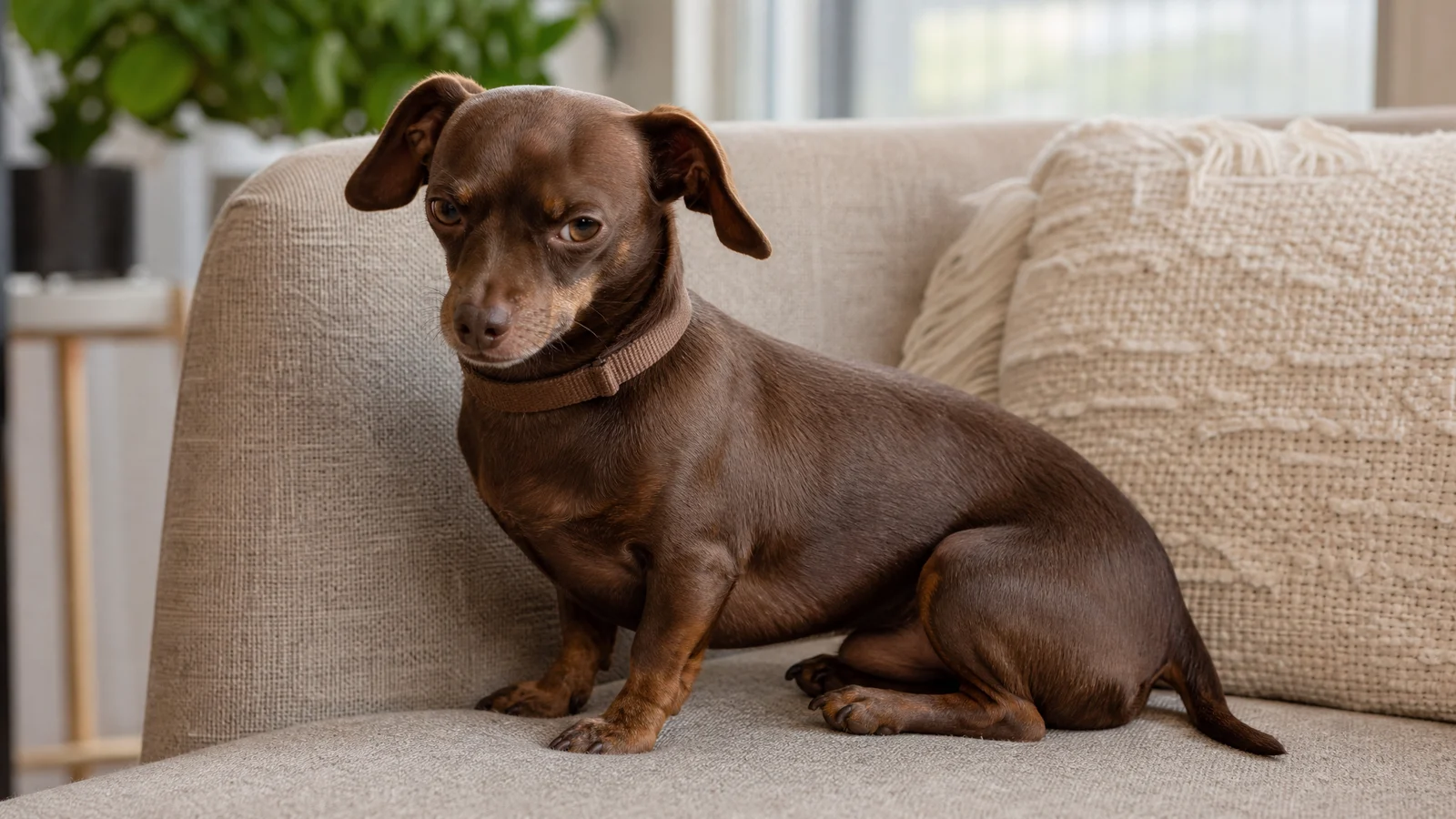
Many Chiweenies test their teeth as puppies, and that mouthing usually fades well before adulthood. The snapping that worries owners tends to show up later, in adolescence, when a once-bubbly dog suddenly objects to being scooped up or eyes a visitor with suspicion. If that is your dog, take a breath. It is common, it is workable, and it rarely means you have a mean dog.
This guide covers Chiweenie aggression, from the first puppy nips to the adult who barks and lunges at guests, along with the early warning signs, the Chihuahua and Dachshund traits behind them, and a plan built on rewards. A cross can inherit the reserved outlook of one parent or the bold streak of the other, which is why two Chiweenies can react to the same stranger so differently.
We have spent many years working with this breed, and the pattern holds: gentle, early responses make a small dog braver, while pressure makes them sharper.
Snapping and Aggression by Age
Dogs vary, but snapping follows a rough arc: playful nips early, a wobbly stretch in adolescence, and a handful of settled triggers in adulthood. Two details from the parent breeds explain the variety. The Chihuahua rates 2 of 5 for openness to strangers, where 1 means reserved, and the Dachshund rates 4 of 5. A Chiweenie can land anywhere between, so one dog melts for visitors while a littermate hides behind your legs.
Puppy Mouthing and Early Nips
Both parents are playful, so expect a mouthy puppy who grabs ankles, sleeves and fingers. Most of this is play or tiredness. When teeth land on skin, stop the game for a few seconds, then restart with a toy in the puppy's mouth and praise the swap. A nap often solves the rest.
The version to take seriously looks different. A puppy who goes stiff over a chew, freezes when scooped up or snaps at a hand reaching for a prized item is not playing. Gentle work now matters most, because this is the pattern most likely to grow.
Adolescent Wariness
If a once-friendly dog starts to hesitate around people, keep greetings easy and reward every calm look at the newcomer. Sudden suspicion of visitors, odd sounds or other dogs can happen as a young dog matures. The Dachshund side may swing the other way, with swagger toward things far bigger than the dog, and both can show up on a single walk.
Keep greetings calm and short, and stop strangers from swooping in to grab. The Chihuahua parent is described as clannish, so give a wary youngster deliberate, positive time around calm dogs. Good experiences during these months are worth much more than repair work later.
The Adult Dog
By adulthood the picture narrows to specific triggers. Some Chiweenies stay relaxed for life. Others grow reactive toward unfamiliar people, and it often begins as plain alert barking at someone walking past the car. In an anxious dog it can grow into loud barking with attempts to bite, while the same dog stays loving with family and familiar people.
Treat it as a question of confidence, not defiance. Reward distance and calm instead of confronting the dog. Adults can absolutely change, but plan on weeks of patient practice rather than days, and expect progress to arrive in small, uneven steps.
Growls, Stiffening and Lip Lifts
A snap rarely arrives without notice. Your dog usually runs through a short list of signals first, and learning to read them buys you time to step in. Here is what to watch and hear, which parent often explains it, and which noises are only noise.
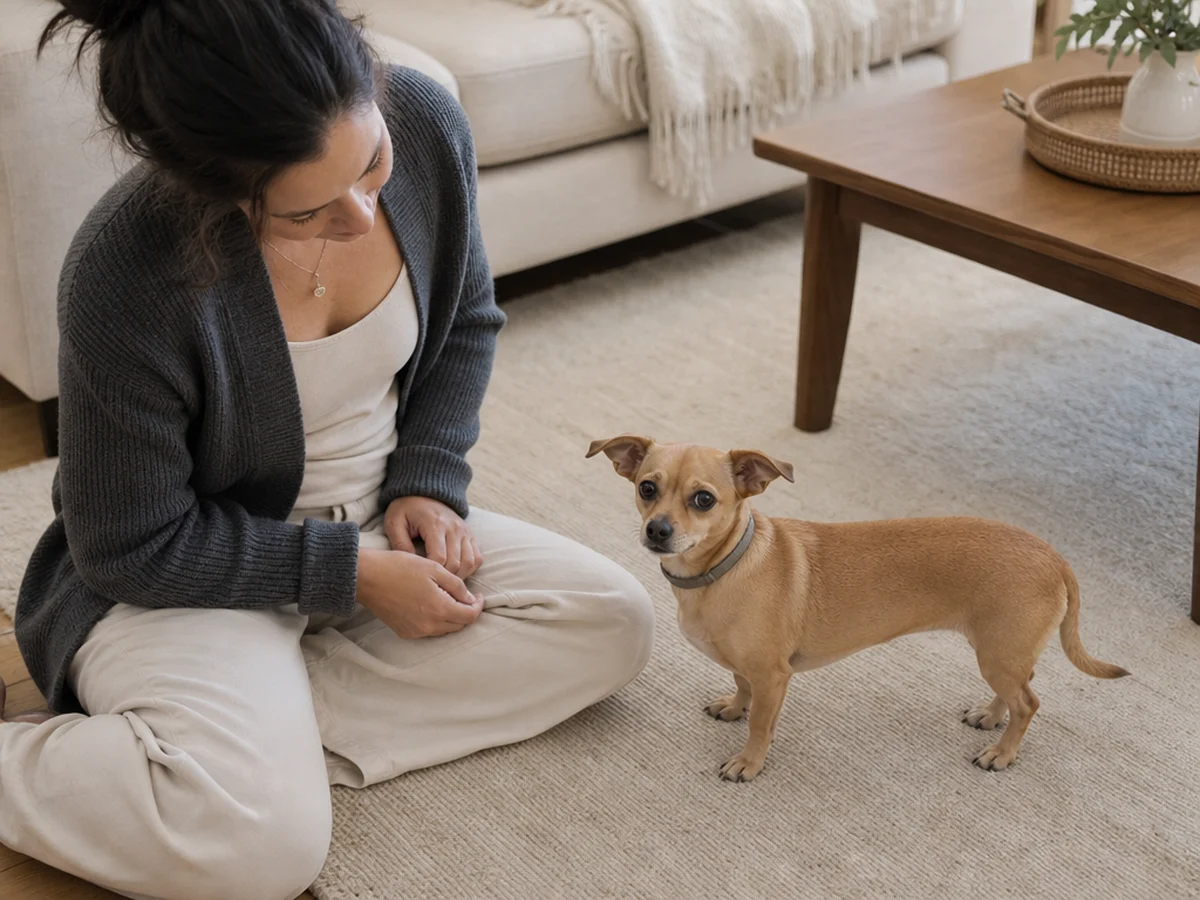
Reading the Quiet Signals
The quiet signals are a hard stare, a frozen body, a stiff tail and a lifted lip. A low growl is the loud one. A dog who goes still and tracks a stranger is often the reserved Chihuahua side asking for space, and that confident, self-reliant parent may not ask twice.
A dog who puffs up, charges ahead and barks at something far bigger is more often showing Dachshund boldness, brave to the point of rashness with a big-dog voice to match. Barking is rated 5 of 5 for both parent breeds, so volume alone tells you little.
Whatever you see, thank the warning by backing off and giving room. A dog who is allowed to warn keeps warning, which is far safer than one who has learned to skip straight to teeth.
Noise That Is Not a Warning
Not every sound is a threat, and that is reassuring. Plenty of Chiweenies stay remarkably quiet for years, though owners of quiet dogs still do well to reward calm so it lasts.
Others are chatty and hold long back-and-forth conversations with their people. That can bother neighbors even when nothing is wrong, so reward quiet moments and teach an enough cue rather than treating every sound as an alarm.
Triggers at home can be odd. Some dogs bark at animals on a screen, and some react to the music in a program rather than the show. Find the specific trigger, lower the volume or change where your dog sits, and pay a calm settle.
When Pain Is Behind It
A new growl in a dog who never had one deserves a vet visit before any training plan. Pain can make some dogs sensitive to noise, and a sore dog may react long before they can show you where it hurts. Regular checkups catch the quiet problems too.
Handling Snaps on a Chiweenie
Snapping when a hand comes toward the body usually says more about comfort than temper. The Dachshund side is sensitive and responds poorly to harsh handling, and a small body startles easily. Book a vet check for a sore back, hip or mouth first, then teach hands to predict good things.
Lifting
Many snaps happen mid-scoop, when a dog is lifted from above without warning. Let your dog see you coming, say your marker word and offer a treat at nose level. Then support the chest and hindquarters with both hands and set them down before worry builds.
Build it in small pieces. Hands near, treat. Hands resting on the body, treat. A short lift, treat. Teach a cue to hop onto your lap or a ramp so lifting becomes the exception.
Touching
Pick one area at a time, such as shoulders, paws, ears or collar. Offer a still hand to sniff, touch briefly and pay. If your dog stiffens, shrink back to the last version they enjoyed and stay there for a few days.
Let your dog opt in. A dog who walks away from petting is giving honest information, and respecting it builds the trust that makes touch easier next week.
Being Moved Off Furniture
Snapping on the sofa is usually about a comfortable spot, not stubbornness. Skip nudging or lifting. Toss a treat onto the floor and invite your dog down, or teach a hop-off cue and pay well each time.
Put a cozy bed in the same room so the couch is not the only prize. If your dog stiffens as you approach, stop approaching and call from where you stand.
A Chiweenie Biting Visitors
Guests and strangers are where the reserved Chihuahua side shows most clearly. Both parents rate 4 of 5 for watchdog nature, so a Chiweenie often notices people before you do. The aim is not a dog who adores everyone. The aim is a dog who feels safe enough to stay calm while people are around and is paid for doing so.
At the Door
A doorbell sets off alert barking in many small dogs, and the Dachshund side adds vigilance and a big voice. Before the bell rings, settle your dog on a bed behind a gate with a food puzzle. Once guests are seated, let your dog approach only if they want to.
Ask visitors to ignore your dog and toss treats low and away from themselves. A dog who is loving with family and frantic with newcomers is often anxious rather than mean.
On Walks
Reactive barking tends to follow a few recurring patterns: barking at a stranger passing the car, barking and growling at other dogs, and barking at particular kinds of people. The root is similar each time. The dog doesn't know how to feel about something approaching.
Create room. Cross the street, step behind a parked car or turn before your dog reacts, and pay every calm look at the trigger. The more space you give, the less your dog needs to bark.
With Unfamiliar Hands
A stranger reaching down over a small dog's head is the classic setup for a bite. Tell people to ask first, and feel free to say no. If you agree, have them crouch sideways, offer a treat on a flat palm and let your dog decide whether to come closer.
Some advice says to make a shy dog meet everyone so they learn it is fine. We disagree. Forced greetings teach a wary dog that their warnings get ignored.
Fear or Aggression Behind the Bite
Most of the time, fear is driving. A snap says too close, too fast, please stop, in the only language a small dog has. True aggression exists but is far rarer than a frightened dog who has learned that snapping works. This table shows three common patterns and where to start.
| What you see | Likely driver | First move |
|---|---|---|
| Backing away, tucked posture, barking then retreating | Fear, often the reserved Chihuahua side | Add distance and pay calm looks |
| Freezing or stiffening over a chew, bed or person | Resource guarding | Trade up and stop reaching |
| Bouncy body, ankle nips, fast spinning | Overexcitement | Pause play and reward settling |
Guarding deserves a gentle response. The psychology varies, but it is typically based in anxiety, so taking things away only deepens the worry. Offer something better in trade and stop reaching for the item.
Pressure works the same way on a frightened dog. A cornered dog may bite, and rough handling makes the dog worse, sometimes with a bite for the person. With a sensitive Dachshund side in the mix, calm, rewarded work is both the kinder path and the one that succeeds.
The rarer pattern looks different: a calm, deliberate dog, no warning, no retreat and no way to interrupt. That is the moment to call for professional help sooner rather than later.
Reward-Based Fixes for Aggression
The plan has the same shape for every trigger: stay below the distance where your dog reacts, pair the trigger with something wonderful, and let calm choices pay. Both parents are trainable, rated 3 and 4 of 5, but the Dachshund independence means short, lively sessions beat long ones.
The Distance Plan
Work through these steps, repeating each until your dog looks loose and happy.
- Find the spot where your dog spots the trigger yet still eats and can glance back at you, and begin there.
- Say your marker word the instant they see the trigger, then feed, so the trigger starts to predict food instead of worry.
- Pay calm choices such as looking away, sniffing the ground or turning to you.
- Close the gap only when their body looks soft, and add distance again if they stiffen.
- Stop while it is going well, even if you could do more.
This changes the feeling, not just the behavior. A dog fed every time a stranger appears gradually expects good things, and the lunging and snapping fade.
Between Sessions
What happens the rest of the day matters as much. Use gates, closed doors and a quiet room so your dog does not rehearse the reaction, and walk at calmer times while you practice. Skip marching your dog up to the trigger to get over it. Pushing a frightened dog past their limit costs trust and progress.
Bringing in a Behaviorist
Ask for help if bites break skin, if the behavior is getting worse, if several triggers show no progress, or if bites come with no warning. When the fear feels unmanageable, ask your vet about a veterinary behaviorist referral, since some dogs need medication alongside behavior work.
This article is general information, not veterinary advice. Check with your veterinarian about any pain, sudden behavior change or medication question, and about a referral to a veterinary behaviorist.
Aggression Questions for Chiweenie Owners
Here is where it all lands. Most Chiweenie snapping is fear, and fear gives way to gentle, rewarded training far more reliably than to pressure. The Chihuahua side makes many dogs wary, the Dachshund side makes them bold and sensitive, and both respond to patience, distance and calm paid in treats. Keep up regular vet visits so pain gets caught early.
Once the snapping settles, a few follow-up worries tend to surface, and two of them have their own guides.
Is constant barking the same as aggression? Usually not, because most barking is alert or chatty, and a quiet settle taught with rewards calms the alarm.
Can a tiny dog live safely with children? Yes with supervision, since a Chiweenie is too small for roughhousing, so start gentle handling lessons for kids early.
Will your dog grow out of it? Puppy mouthing usually fades, but fear-based snapping tends to stay until you work on it with rewards.
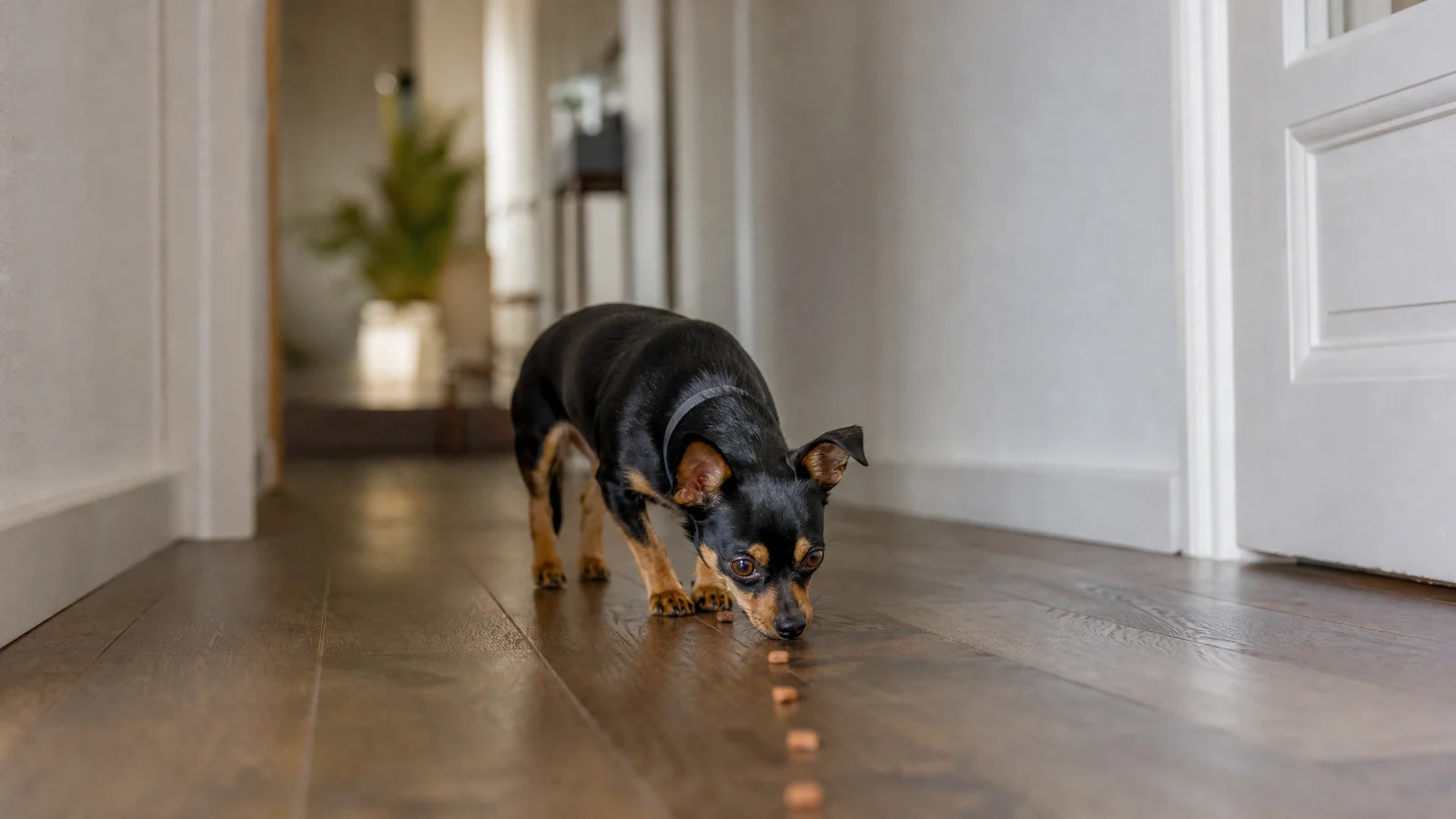 Exercise and jobsAre Chiweenies Smart Enough for Scent Games and Obedience?
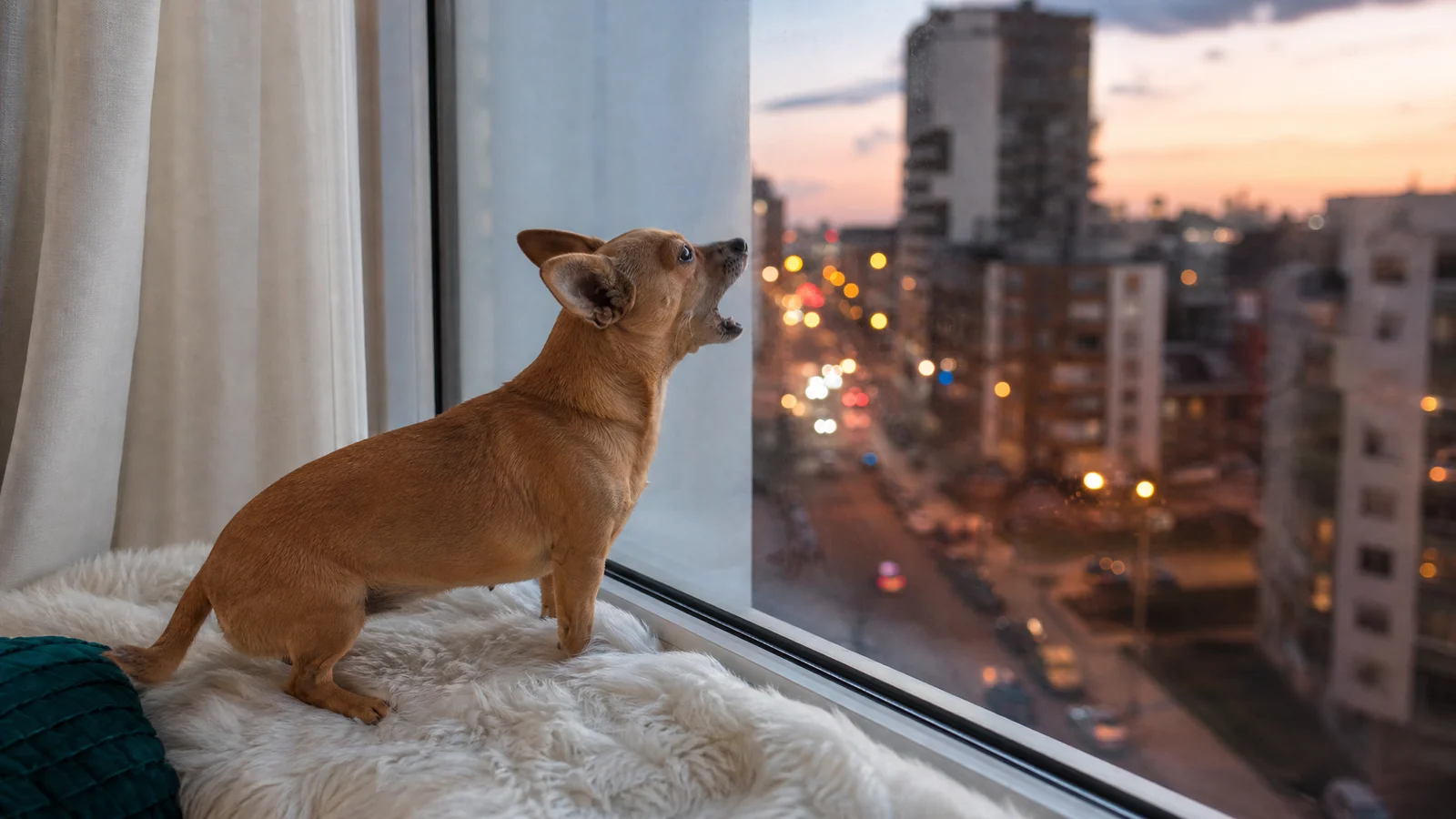 BehaviorMy Chiweenie Barks at Everything: Teaching a Quiet Settle
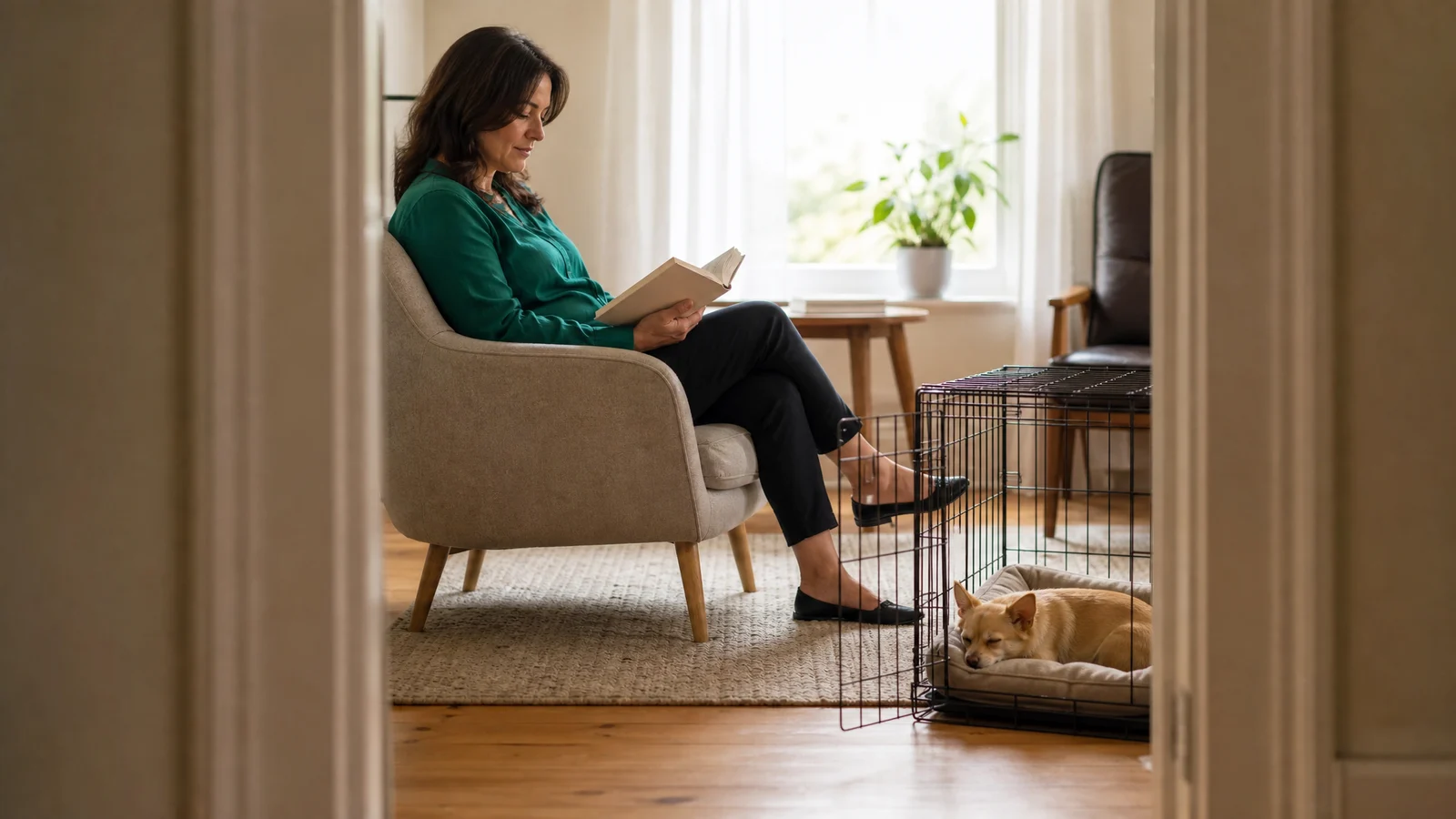 Training basicsChiweenie Crate Training Without Forcing Alone Time